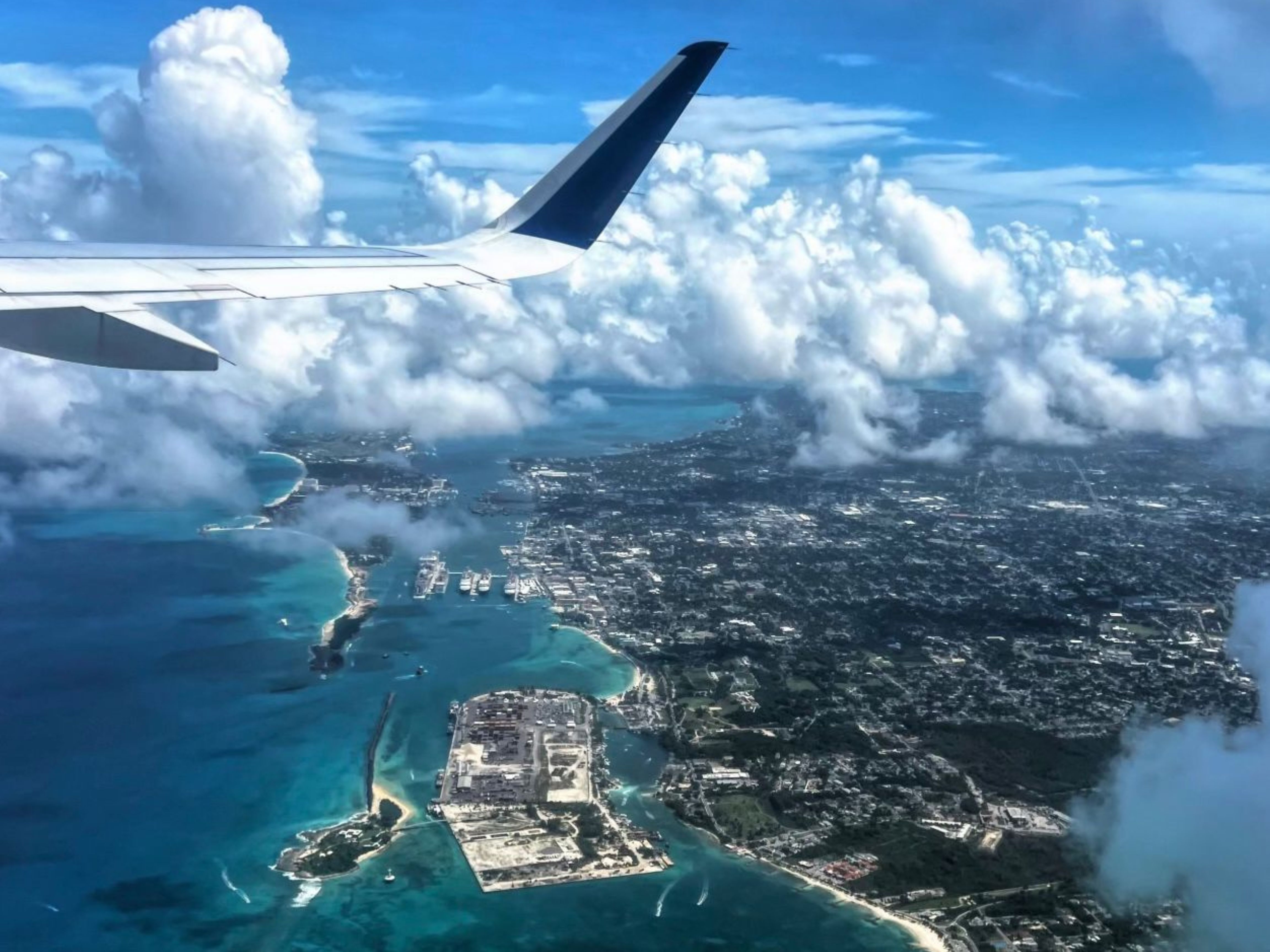
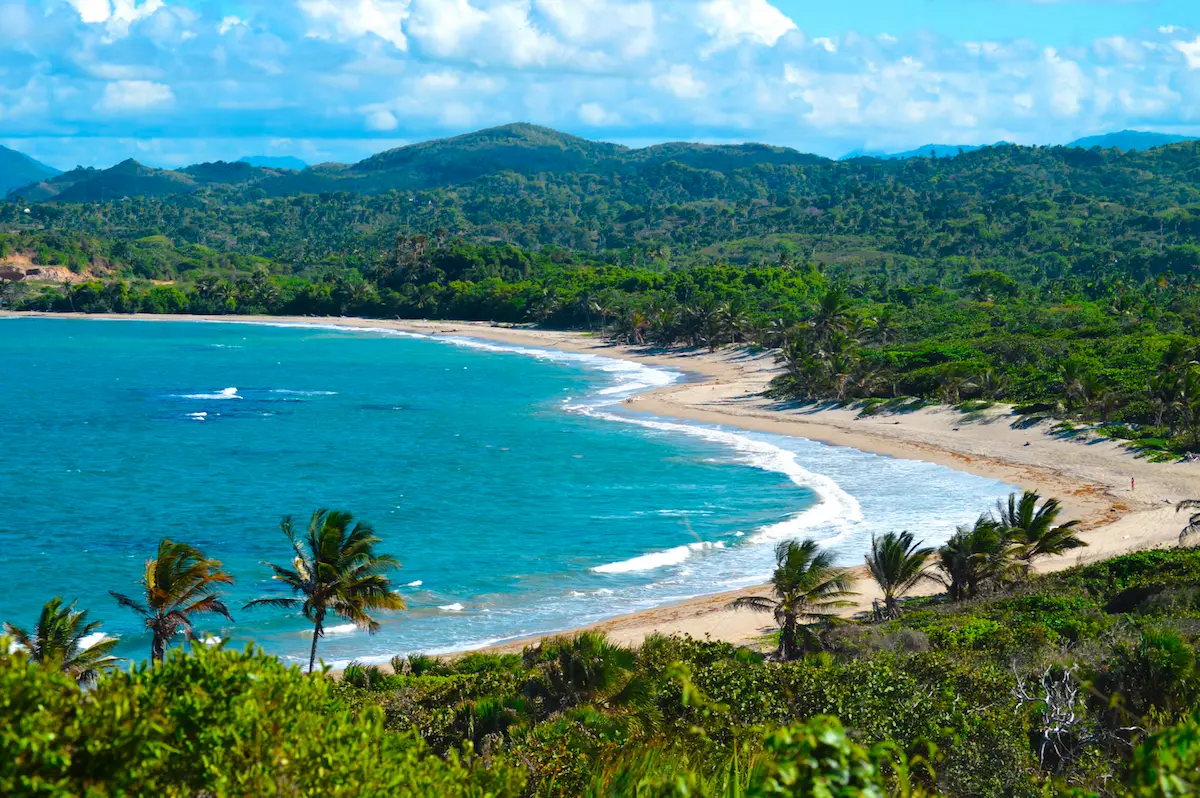
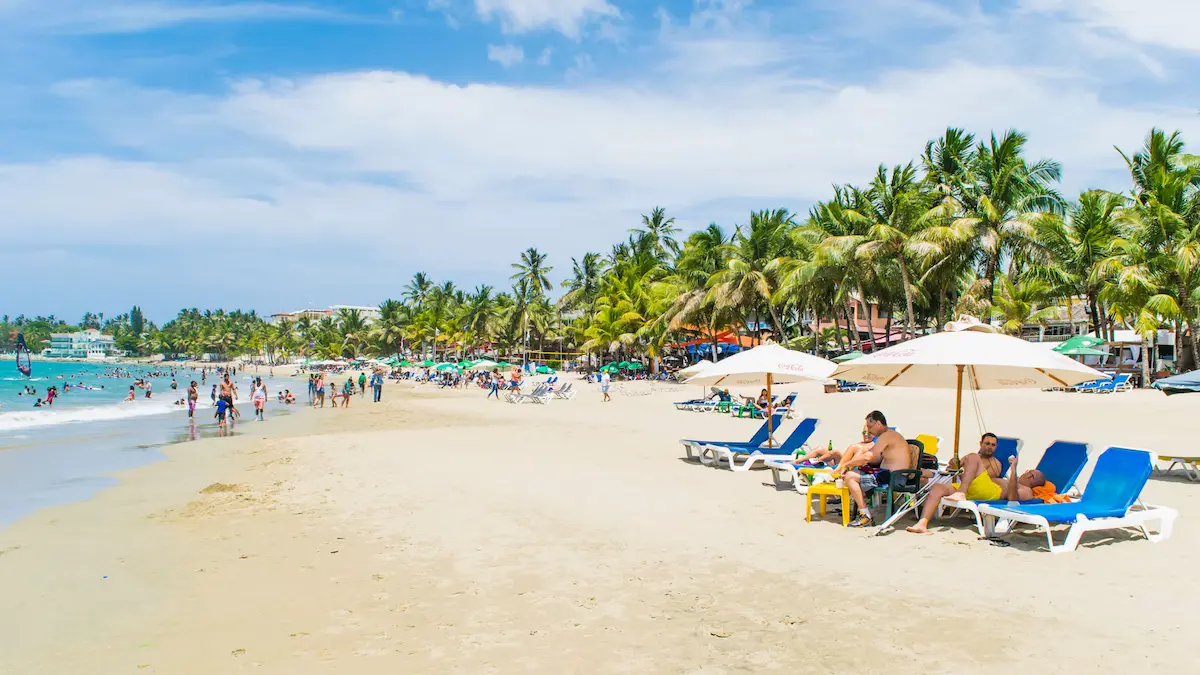
Puerto Plata, known as La Novia del Atlántico (the Bride of the Atlantic), is a province full of gems. Golden beaches, mountain adventures, and 16th-century landmarks all make it a Dominican Republic location worth visiting.
Standing guard at the edge of Puerto Plata City, you’ll find Fort San Felipe, a famous fortress known for a history that’s seen pirate invasions, land battles, and imprisonments.
Now, it’s one of the oldest colonial military structures still standing and a favorite spot to visit for cruise passengers and other Dominican Republic visitors. But why is it such a popular attraction, and is it worth building into your Puerto Plata itinerary?
What Is Fort San Felipe, Puerto Plata?
Google Fort San Felipe and you’ll be hit with a few different landmarks with the same name.
Not to be confused with the fort of the same name in the Philippines or the Castillo San Felipe del Morro in Puerto Rico, Fortaleza de San Felipe in Puerto Plata is a landmark with its own history and draws.
The confusion is even more heightened because the Dominican Republic’s Fortaleza de San Felipe is also known as El Morro de San Felipe.
The Puerto Plata Fort: An Overview
Positioned on a hill at the Puntilla del Malecón, Fort San Felipe is a historic fortress in Puerto Plata. For centuries, it protected the town from invaders and pirates and also served as a prison. Now, it’s a symbol of the Dominican Republic’s resilience.
When you visit, you can visit the small museum, explore the grounds, take photos of other famous attractions like the Puerto Plata Lighthouse and the statue of General Gregorio Luperón on horseback.
Nearby is the malecón and a promenade, where you can browse local shops and sit down at restaurants. Adjacent to the fort is an entertainment complex, featuring an amphitheater that hosts performances. You’ll also find landscaped spaces where you can walk, take in the views, and relax.
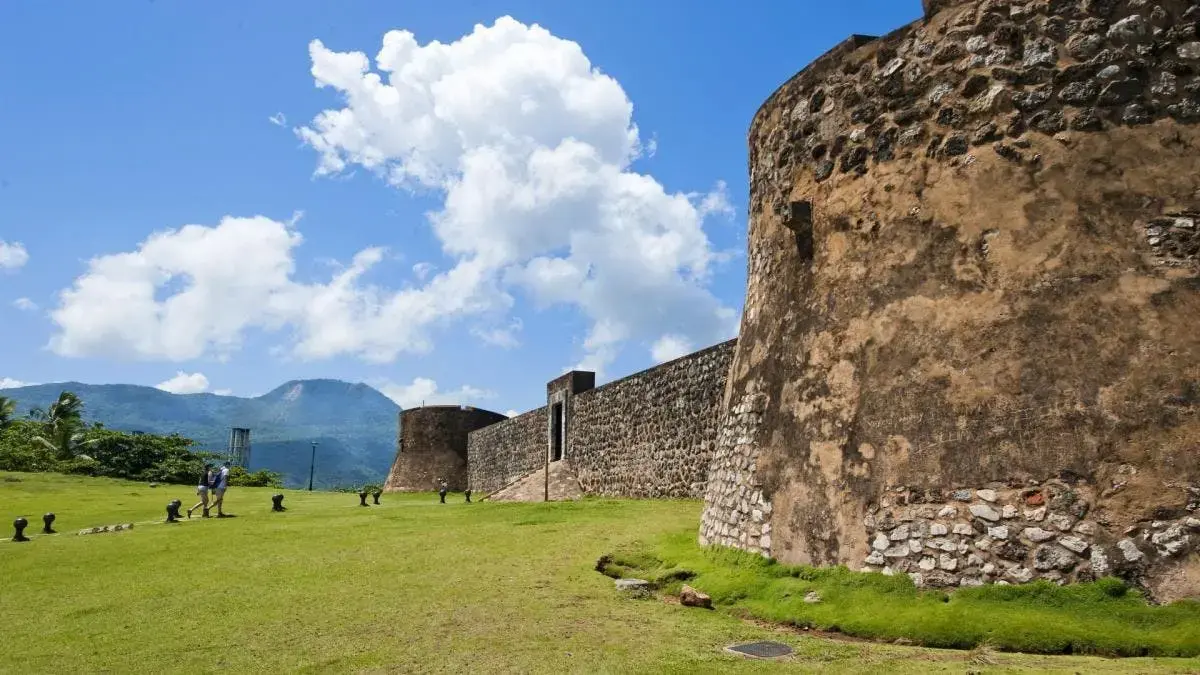 Photo by Go Dominican Republic
The History of Fort San Felipe: Pirates, a Prison, and a Forgotten War
Commissioned in 1564 and completed in 1577, Fortaleza de San Felipe was built on La Puntilla, a vantage point that overlooks the Atlantic Ocean.
The Original Mission
Its original mission was to defend the north coast against invaders, pirates, and privateers. Part of the fortifications included coral spikes on the walls and doorways, which were intended to help keep invaders from entering.
From 1605 to 1736, the fort was abandoned following the Devastations of Osorio, which resulted from King Philip III of Spain’s order for the western, central, and northern regions of Hispaniola (now the Dominican Republic and Haiti) to be depopulated.
Role in the Quasi War
Later, in 1800, the fort was the site of the Battle of Puerto Plata Harbor, one of the few land-based battles of the Quasi War. The war was an undeclared naval conflict between the US and the French First Republic. During that land battle, US troops defeated a combined Spanish and French force.
Also during the 19th century, the Spanish took refuge in the fort when Dominican patriots attacked Puerto Plata in 1863.
Prison
The fortress was used as a prison a few times throughout history, but probably the most notable period was during the 20th century, under Rafael Trujillo’s dictatorship. These are some well-known prisoners:
Following the assassination of the Mirabel sisters, who opposed Rafael Trujillo’s dictatorship, their husbands were imprisoned in the fort.
Juan Pablo Duarte, one of the Dominican Republic’s founding fathers, was briefly held in the fort after his arrest before being transferred to Fortaleza Ozama.
Pedro Santana also jailed other libertarians from La Trinitaria, the secret revolutionary society Duarte founded in 1838.
US Occupation and Conversion Into a Museum
In 1916, at the start of the US’s occupation of the Dominican Republic, Fort San Felipe was captured and occupied by US naval forces. The fortress was later converted into a museum in 1965. Then, in 1972, it was renovated, and it officially opened to the public in 1983.
What You'll See Inside the Fort Today
As far as museums go, the Fortaleza de San Felipe is probably not the most impressive one you’ll ever visit. With that said, you’ll get a taste of history, as well as a chance to take in panoramic views of the ocean and surroundings.
The Exhibition: What to Expect
There are several chambers inside Fort San Felipe. In the past, they were used to store weapons and ammunition. At present, they function as exhibit rooms.
The exhibits reflect the fort’s function as a military defense, featuring items like swords, cannon bullets, machetes, axes, and other military artifacts from the 18th and 19th centuries. Taino pottery and ancient coins are also on display.
There is also a small exhibition on the history of Puerto Plata.
A Self-Guided Tour
The tour is self-guided, and you’ll receive headphones explaining each room and its exhibit. There is a chance that the headset won’t work, though, which can make it difficult to follow along.
In addition to the audio input, there are also information panels on the walls that offer explanations in Spanish and English.
Is Fort San Felipe Worth Visiting? An Honest Take
Is it worth visiting? Yes. Is it worth building a day around? Not quite.
Set Your Expectations
Fortaleza de San Felipe is a small fort, and touring the exhibitions isn’t a long activity. Most visitors finish within 30 minutes; some stretch it to an hour. Either way, it’s safe to say that this isn’t a full-day excursion on its own.
The exhibits are interesting, but some visitors feel that the museum plays into the pirate history a little too much without addressing its link to Puerto Plata.
You’ll also want to mind your head. The ceilings are low in some places, and if you’re not careful, you may take a knock. Additionally, the fort’s interior and upper levels aren’t wheelchair accessible, which can be an issue.
What Makes It Worth a Visit
On its own, Fortaleza de San Felipe is a brief visit. However, if you’re looking for things to do while your cruise ship is docked at port, or if you’re looking for an activity to add to your Puerto Plata itinerary, it’s a stop that’s worth the time.
Compared to other top spots in the city, like Umbrella Street, the Puerto Plata fort is a bit less touristy. You have the option of visiting as part of a tour, but you can also visit by yourself.
If you’re traveling to other parts of the Dominican Republic and combining activities like ATV tours and whale watching, the fort adds some cultural flavor to round out the experience.
The museum is also a nice stop for families with young children. There are well-maintained restrooms, and the grounds themselves are also clean. If you’re looking for something a little bit different, the grassy area is nice for a picnic and people-watching.
The nearby lighthouse is another attraction worth seeing, and the grounds and surrounds make for great photographs. The proximity to the promenade is also appealing, because you can see quite a bit on foot.
Visitor Information: Hours, Entrance Fee, and Getting There
Opening hours may vary, so it's best to check locally. The entrance fee is usually 100 Dominican pesos. This normally comes to around $2 to $3, and children can enter for about $1.
The entrance fee is only required to go inside the fort, and the headset for the self-guided tour is included. Access to the grounds is free.
Getting There: A Tale of Two Ports
If you’re traveling via cruise ship, there are two ports you may dock at.
If you’re departing from Amber Cove, traveling is going to take a taxi ride. The fort is 7.5 miles away from the cruise terminal, which is about 15 minutes by taxi. There won’t be any shortage of taxi drivers around. In fact, you’ll probably be harassed as soon as you reach the port’s exit.
Booking a taxi isn’t a bad idea, but you should negotiate the price upfront. The driver will typically take you from stop to stop, which allows you to see some of the famous Puerto Plata tourist attractions (or just the city proper) on a more flexible schedule than if you were taking a scheduled tour.
On the other hand, if you’re docked at Taino Bay Cruise Port, the fort is within walking distance. You can leave the cruise terminal and be at Fortaleza de San Felipe within about 10 to 15 minutes.
The walk is pretty easy, and there are major intersections with police stopping cars to let pedestrians cross.
Best Time to Visit Fort San Felipe
There are a few factors that go into the best time to visit the fort, including the weather, time of year, and what you’re going for.
The Best Time of Day to Visit the Puerto Plata Fort
Try to go earlier in the morning or later in the afternoon, maybe toward the evening. If you’re only in the city for the day and have to be back at port by a certain time, try to make the fort your first stop. This will help offset some of the midday heat.
If you do have the flexibility to visit later in the day, and if you’re keen on photography, going toward the evening offers an opportunity to catch the sunset against the backdrop of the rocky coastline.
The Best Time of Year to Visit
In terms of the time of year, December to April is the busiest period, but the temperatures are more moderate. September to November is quieter, and there will be less port traffic. However, visiting between June and November is riskier because of the Atlantic hurricane season.
This is a countrywide consideration, and you’ll see similar advice when comparing the best things to do in Punta Cana.
Dealing With the Vendors Outside the Port
When you’re all geared up and excited to explore Puerto Plata City, leaving a cruise terminal and immediately being harassed by an army of vendors can instantly trigger irritation.
You’ll face the same problem whether you’re leaving Amber Cove Cruise Port or Taino Bay Puerto Plata Cruise Port. Vendors typically cluster right outside, but they should ease off once you’re about a block away.
Although the vendors are frustrating, most visitors report that they don’t feel unsafe navigating the city. There are “tourist police” stationed around Puerto Plata, including downtown. For some visitors, the police presence makes them feel more comfortable; for others, it has the opposite effect.
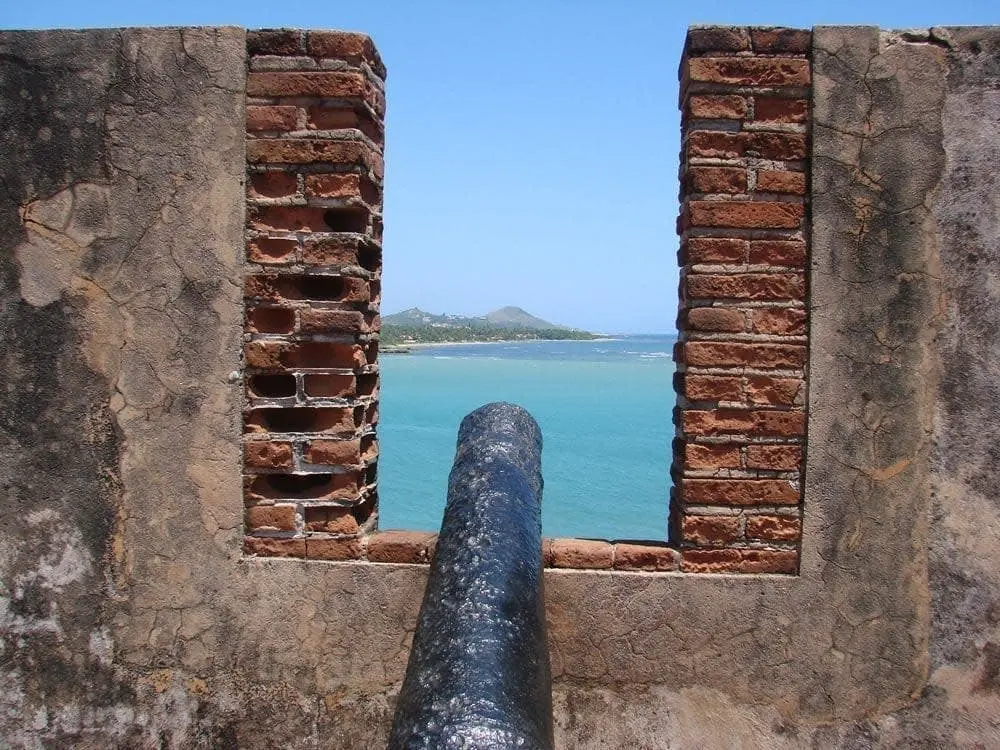 Photo by Go Dominican Republic
Nearby: The Puerto Plata Lighthouse
Puerto Plata’s 80-foot lighthouse, which sits on a 20-foot base, was built in the late 19th century. Until the 1960s, it served as a beacon for ships sailing the Atlantic.
Much like Fort San Felipe, the lighthouse also had a defensive function: It was used to distinguish between vessels that were allowed to arrive in Puerto Plata and those that weren’t.
Aside from its maritime significance, this is a sight to behold for both architecture enthusiasts and keen photographers. The lighthouse, which was recently restored, reflects European influence on Caribbean infrastructure. It’s also currently one of the few cast-iron lighthouses still standing in the Americas.
There are reportedly long-term plans to involve the lighthouse in guided tours of Fort San Felipe. The funds generated by tourism would contribute to ongoing conservation of the site, which is regarded as a symbol of Puerto Plata’s values.
See It as Part of a Full Puerto Plata Day
If you’re more of a self-guided traveler, you can enjoy Puerto Plata on foot or with a taxi and local guide. It could be a nice change of pace if you’ve already done an ultimate jungle adventure in Punta Cana or don’t feel up to hiking to see the 27 Waterfalls.
However, a guided tour can help you see as much as possible within a day—ideal if you’re only in the city for a short stay.
Here’s some of what you’ll experience during a Puerto Plata City historical tour and cable-car adventure:
Fortaleza de San Felipe: See one of the oldest military fortresses in the Dominican Republic and hear stories of pirates and battles.
Amber Museum: You’ll get to discover rare prehistoric fossils preserved in amber and learn about the significance of amber to the Dominican Republic.
Del Oro Chocolate Factory: If you won’t get a chance to go cocoa tasting in Punta Cana, this is a great way to learn more about the history of Dominican chocolate-making.
Puerto Plata Cable Car: Glide above the city, enjoying panoramic views, before arriving at the summit of Mount Isabel de Torres.
The entrance fees to the individual stops will typically be bundled into the package price.
The Takeaway
Seeing the fort in Puerto Plata is a worthwhile stop if you’re interested in the history of the Dominican Republic, but beyond the museum, the grounds, lighthouse, and promenade are also worth seeing.
If you’re only stopping for a day, the fort can be a refreshing activity; if you’re staying in Puerto Plata for a few days and want to build an itinerary, it offers a change of pace and takes you out of the bustle of the city.
Basically, expect a short tour followed by time exploring of the grounds, don’t let the vendors intimidate you, and remember to mind your head inside the fort!