
Best Things to Do in Nassau, Bahamas
Nassau packs three centuries of pirate history, some of the clearest water in the Caribbean and a swim with the world's most famous pigs into an island you can cross in under an hour. Whether you have one port day or a full week, this guide covers the beaches, landmarks, boat trips and restaurants worth your time, plus the tours you can book direct with us.
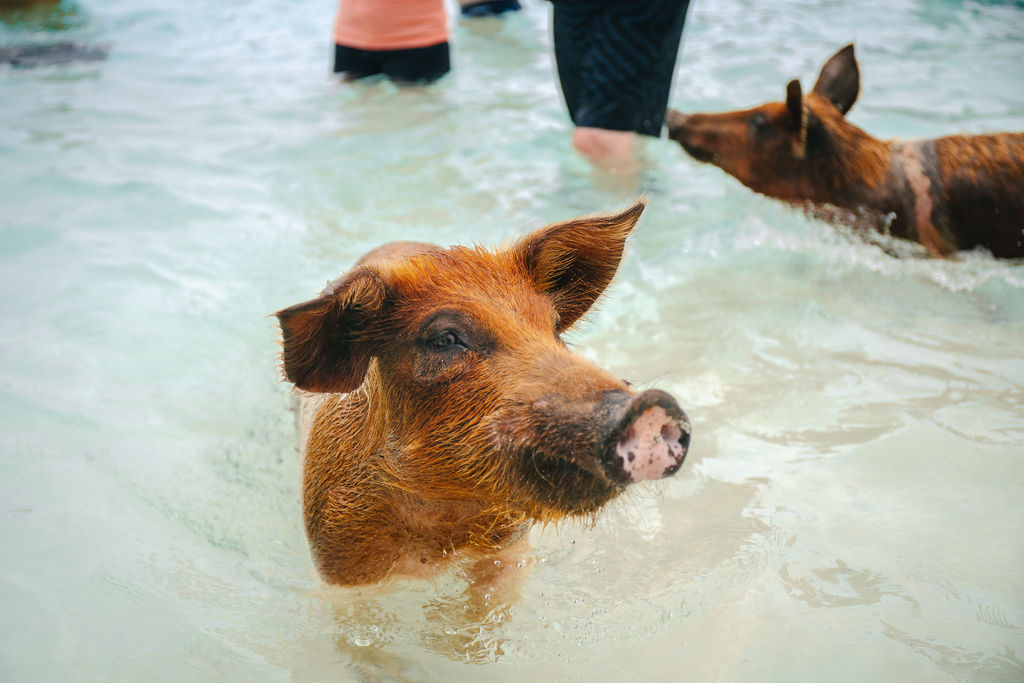 Swimming pigs
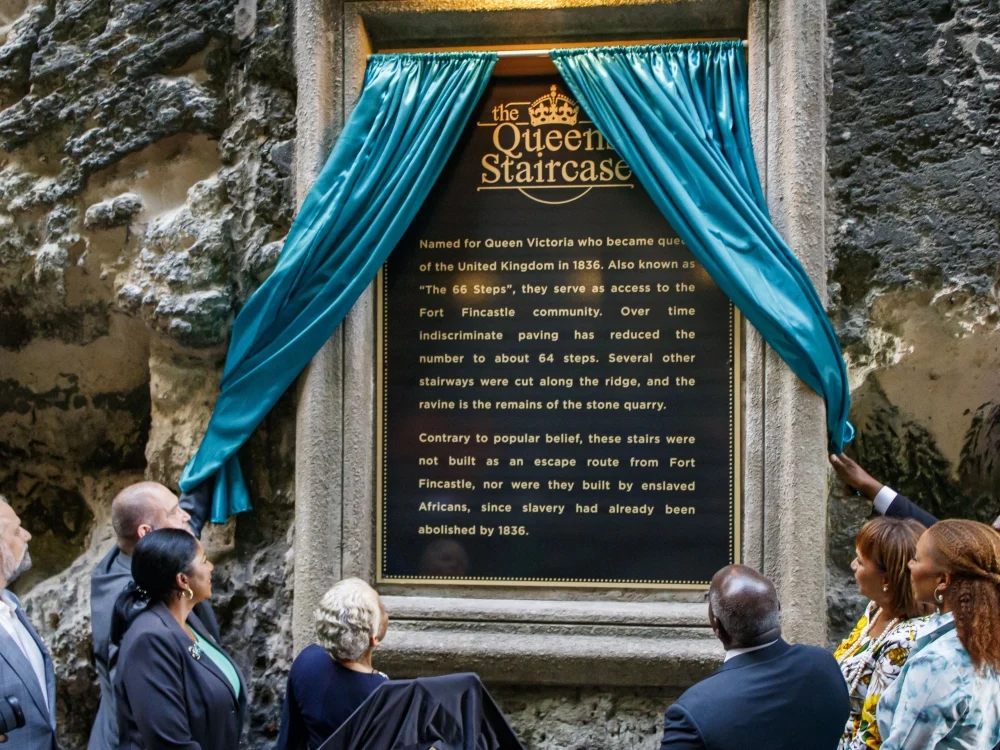
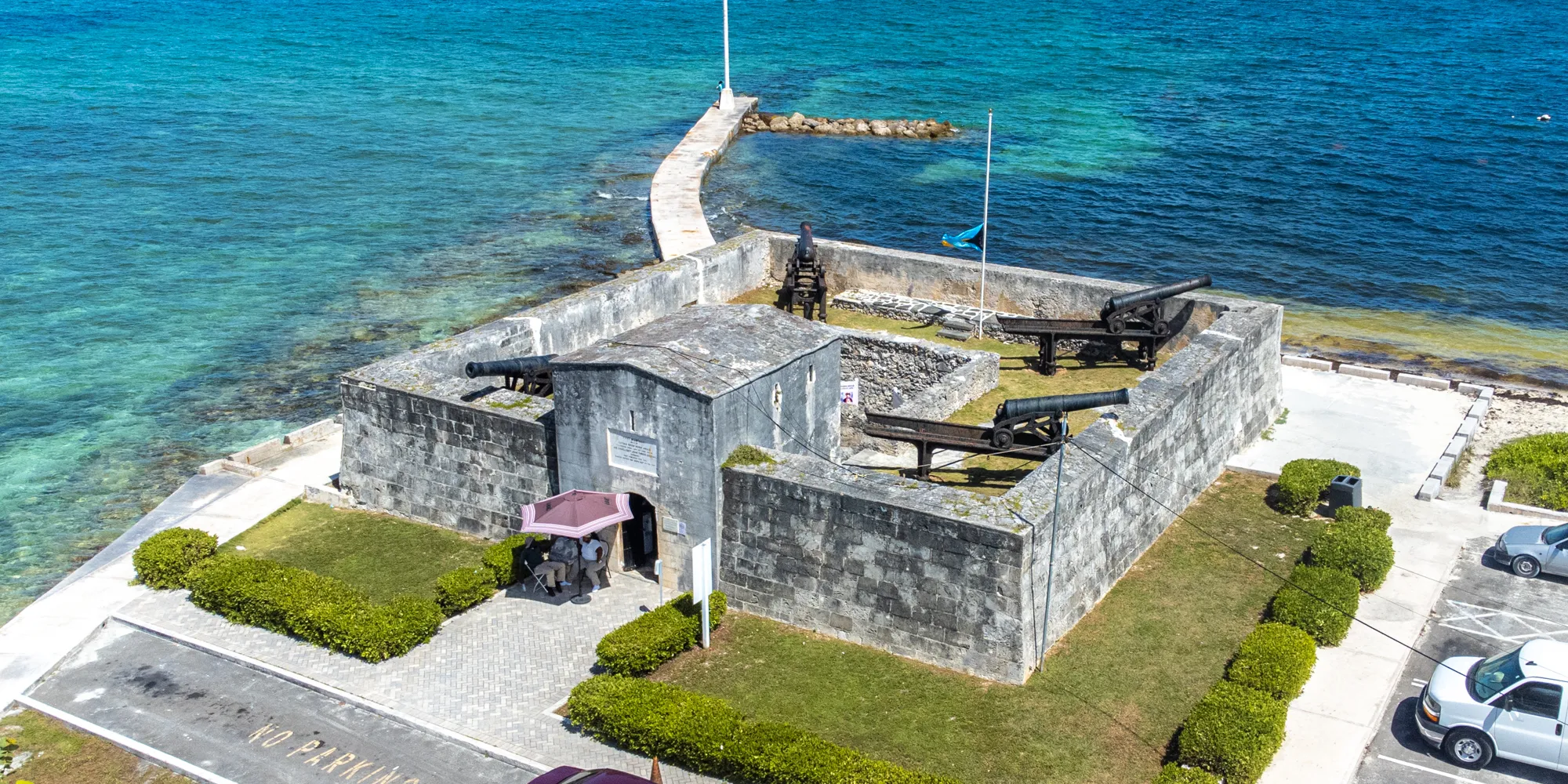
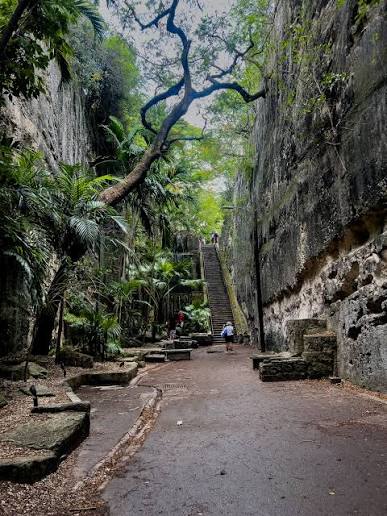 Queen's Staircase
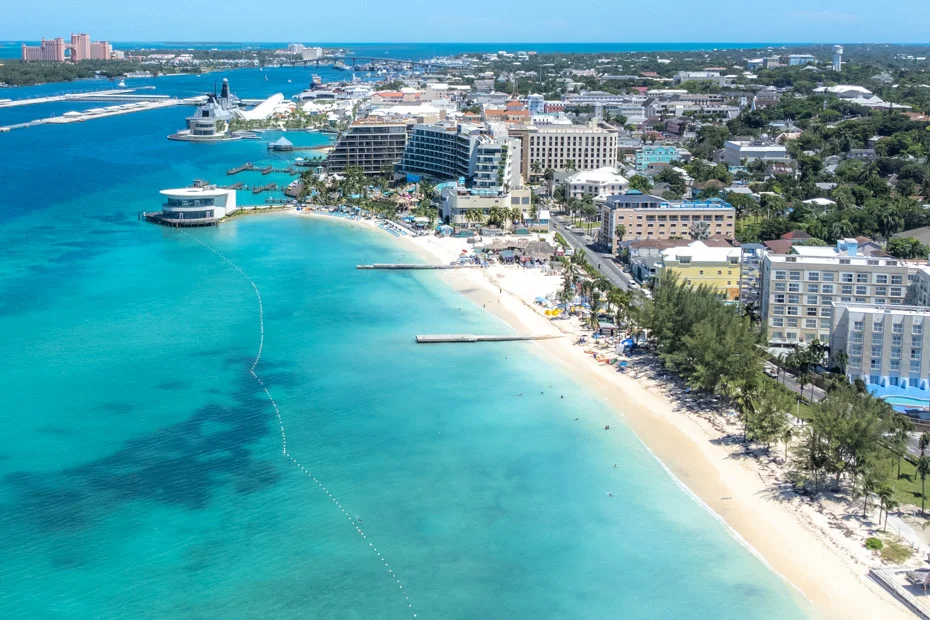
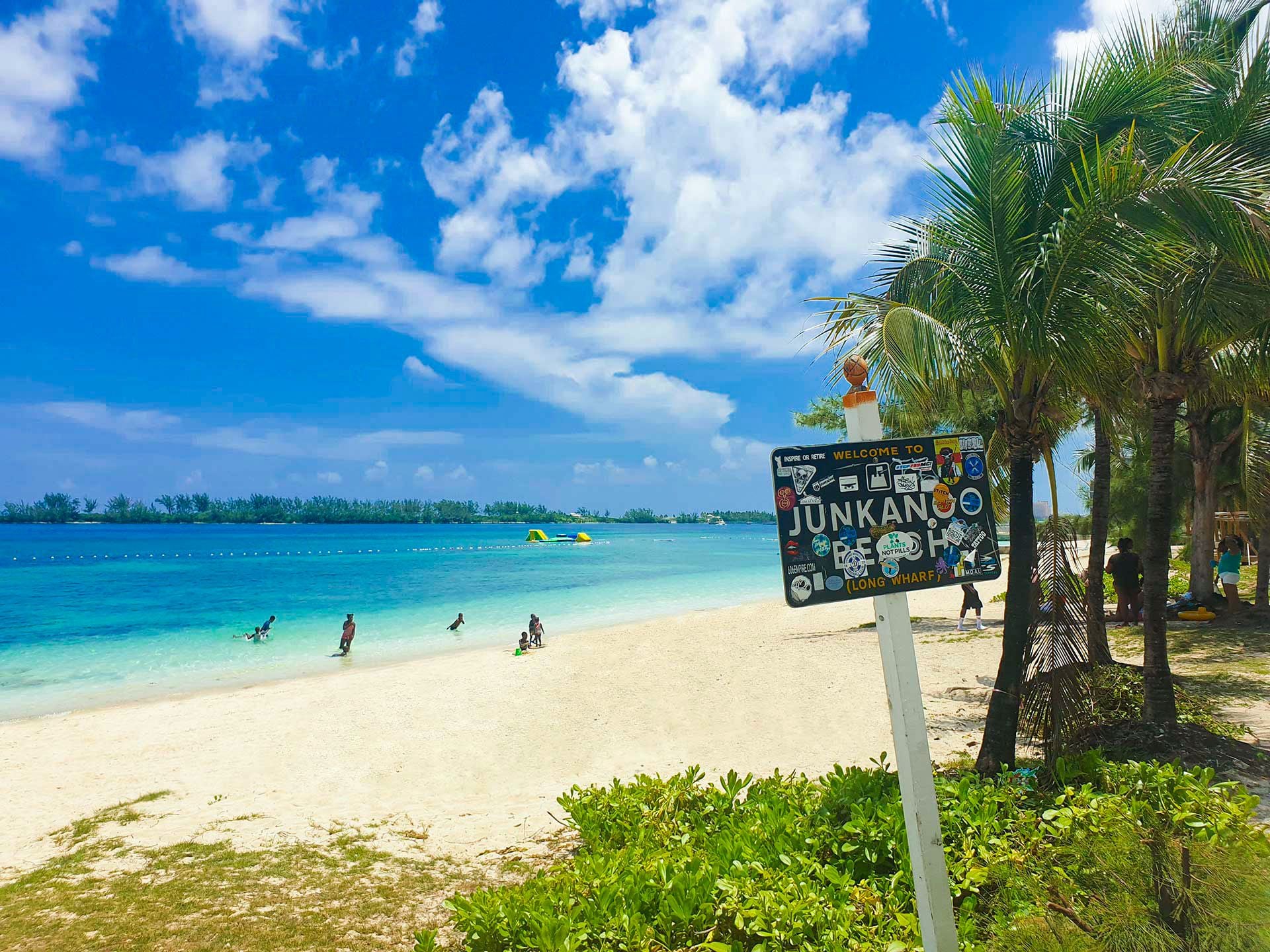 Junkanoo Beach
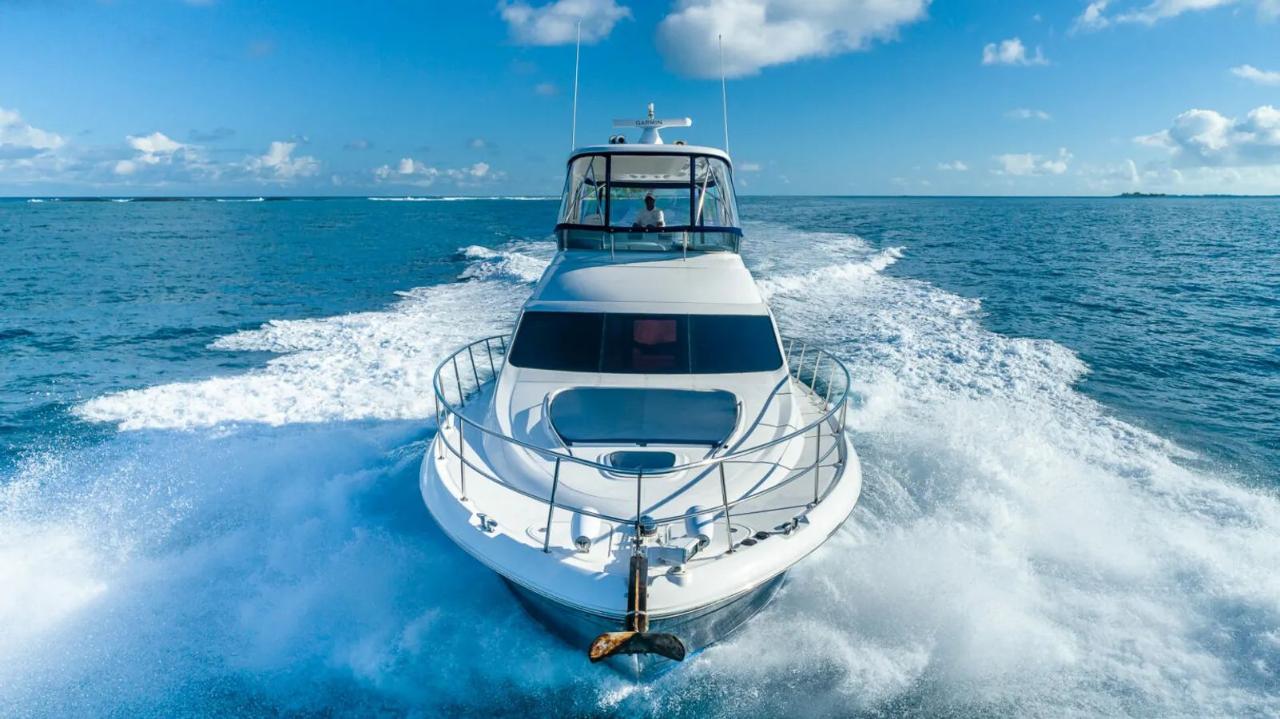 Yacht charters
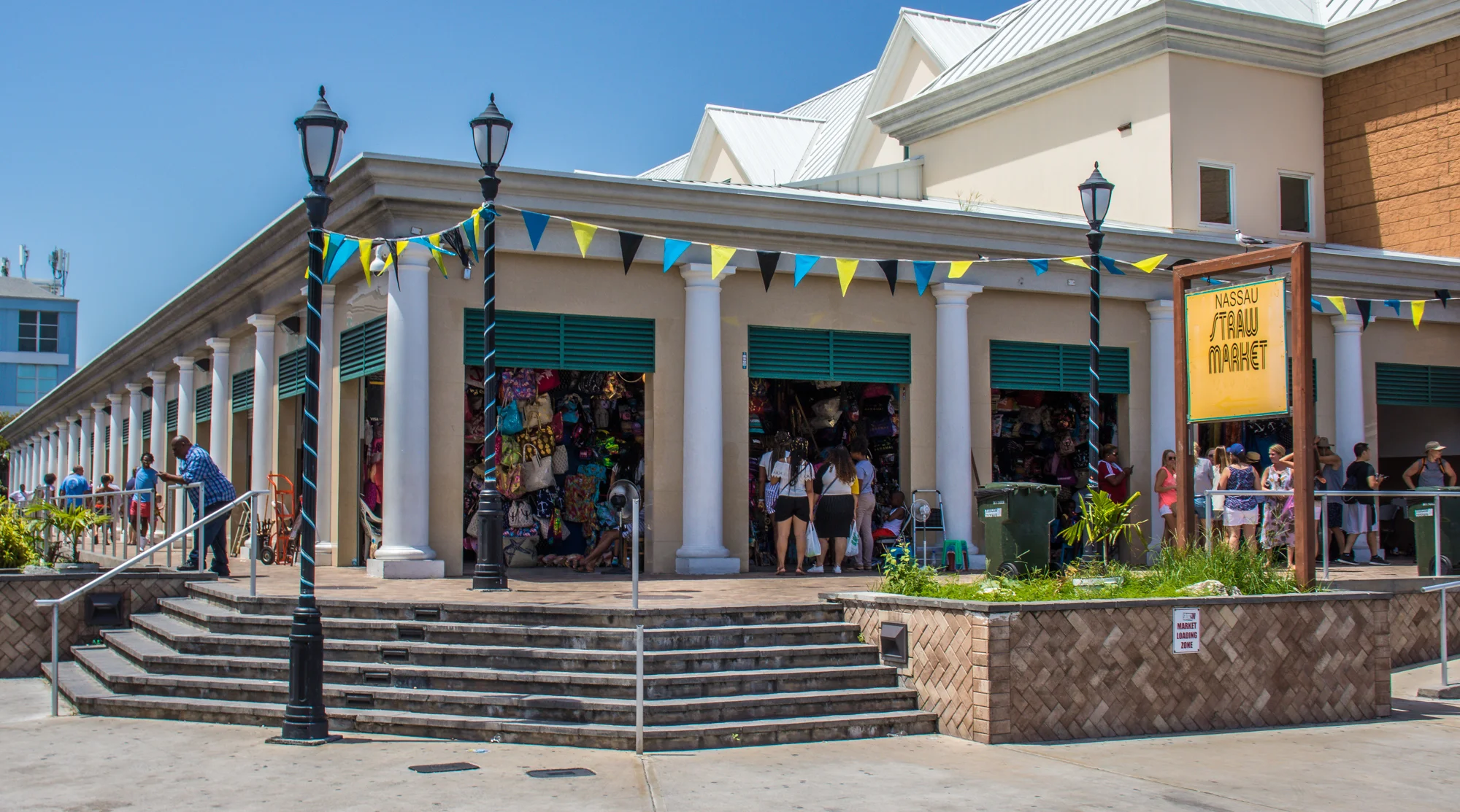
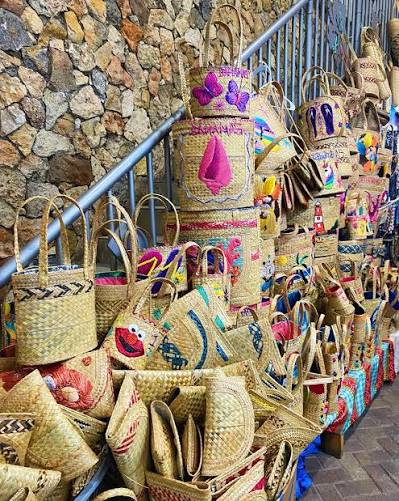 Straw Market
Historic & Downtown Nassau
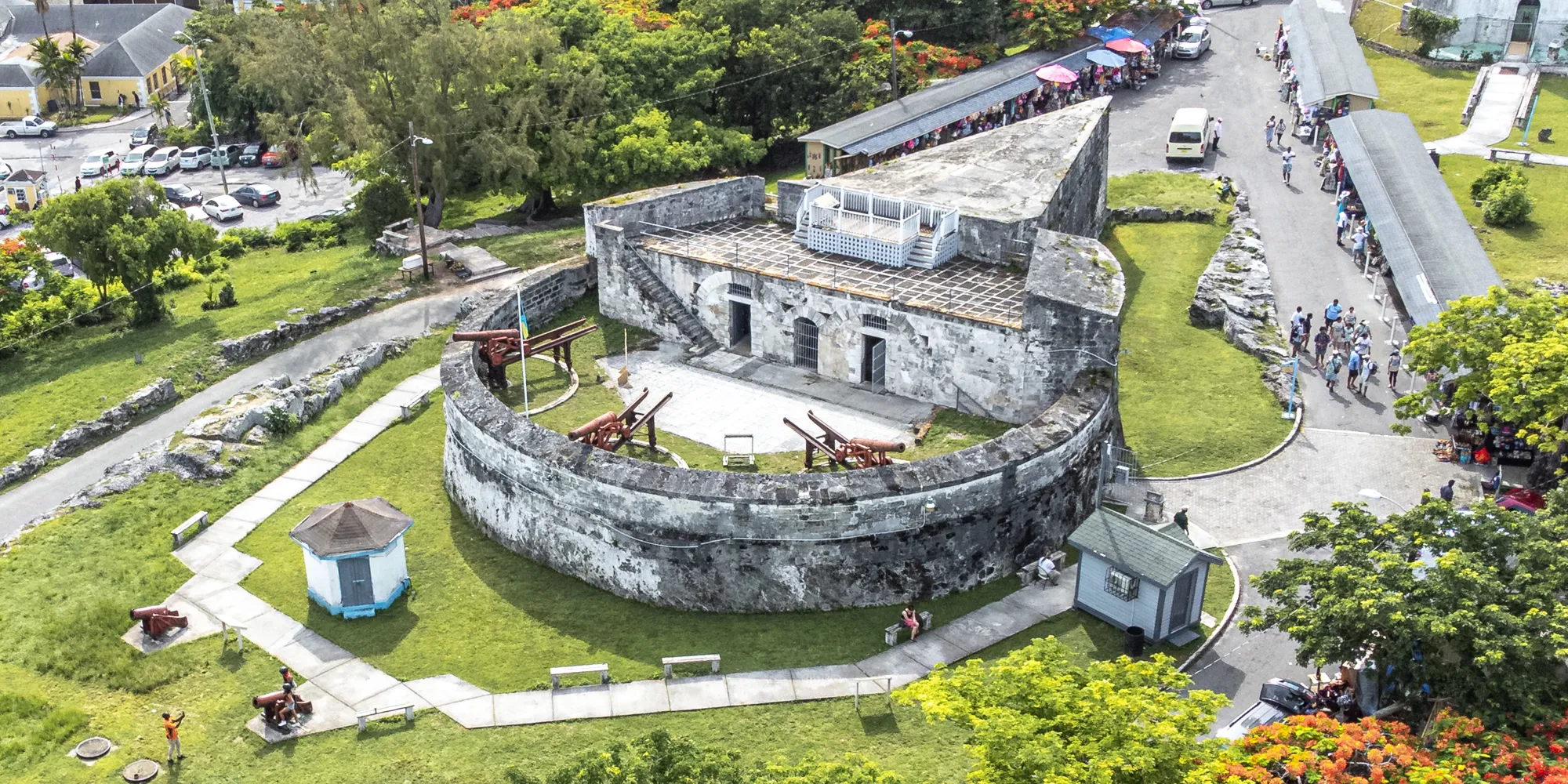
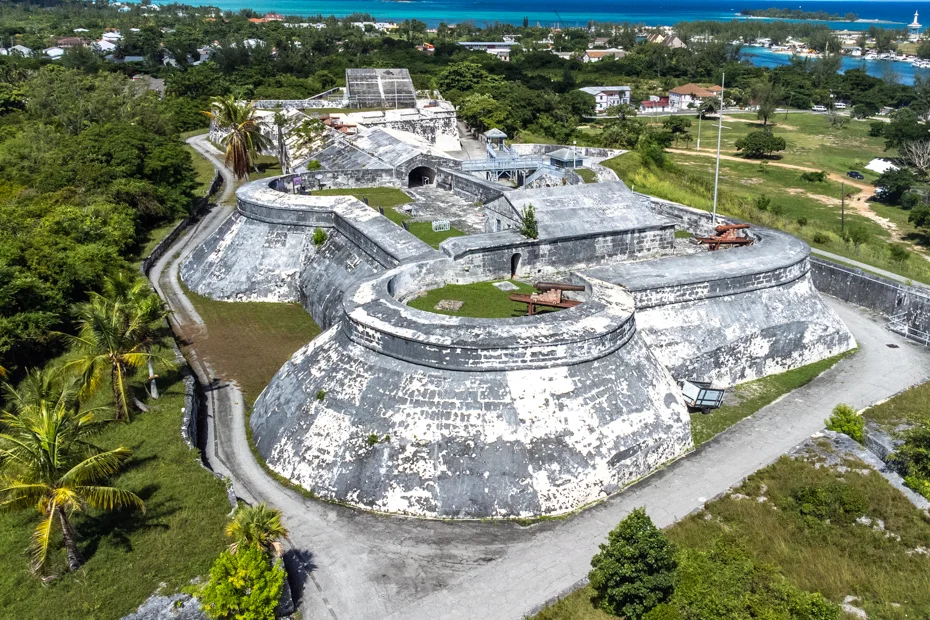
Almost everything in historic Nassau sits within a twenty minute walk of the cruise port. Colonial forts, a hand carved staircase and a working straw market are all clustered around Bay Street, which makes this the easiest half day on the island to plan and the best one to do on foot.
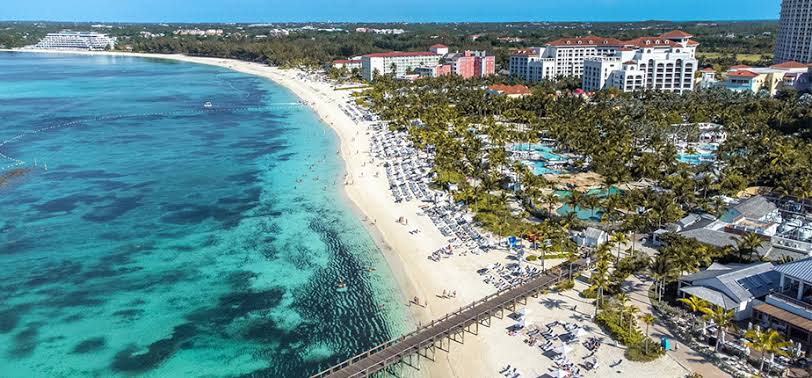
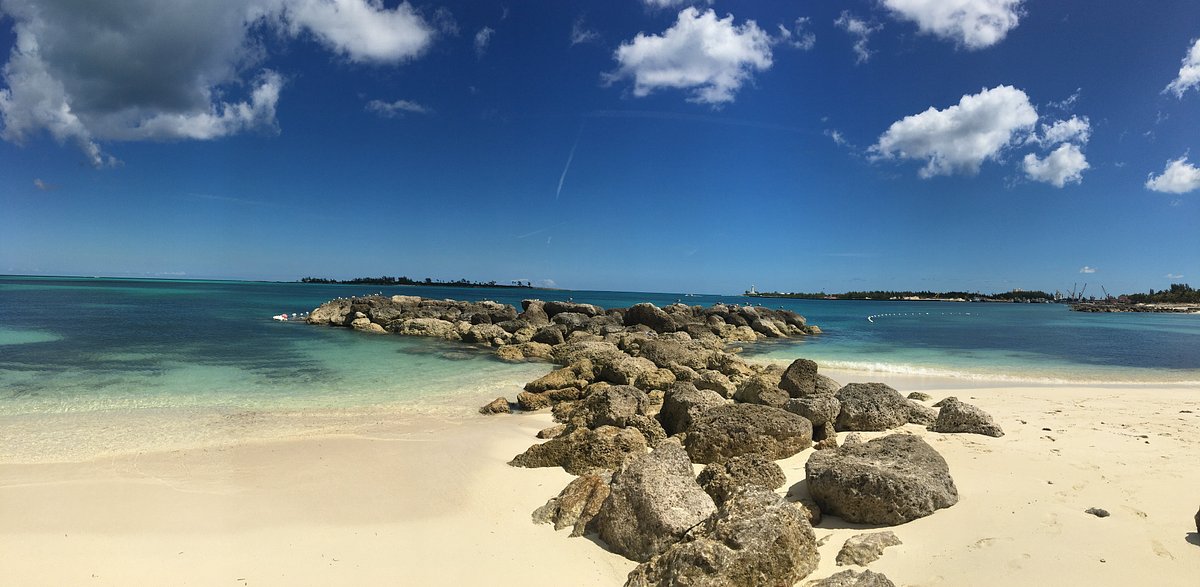
The Best Beaches in Nassau
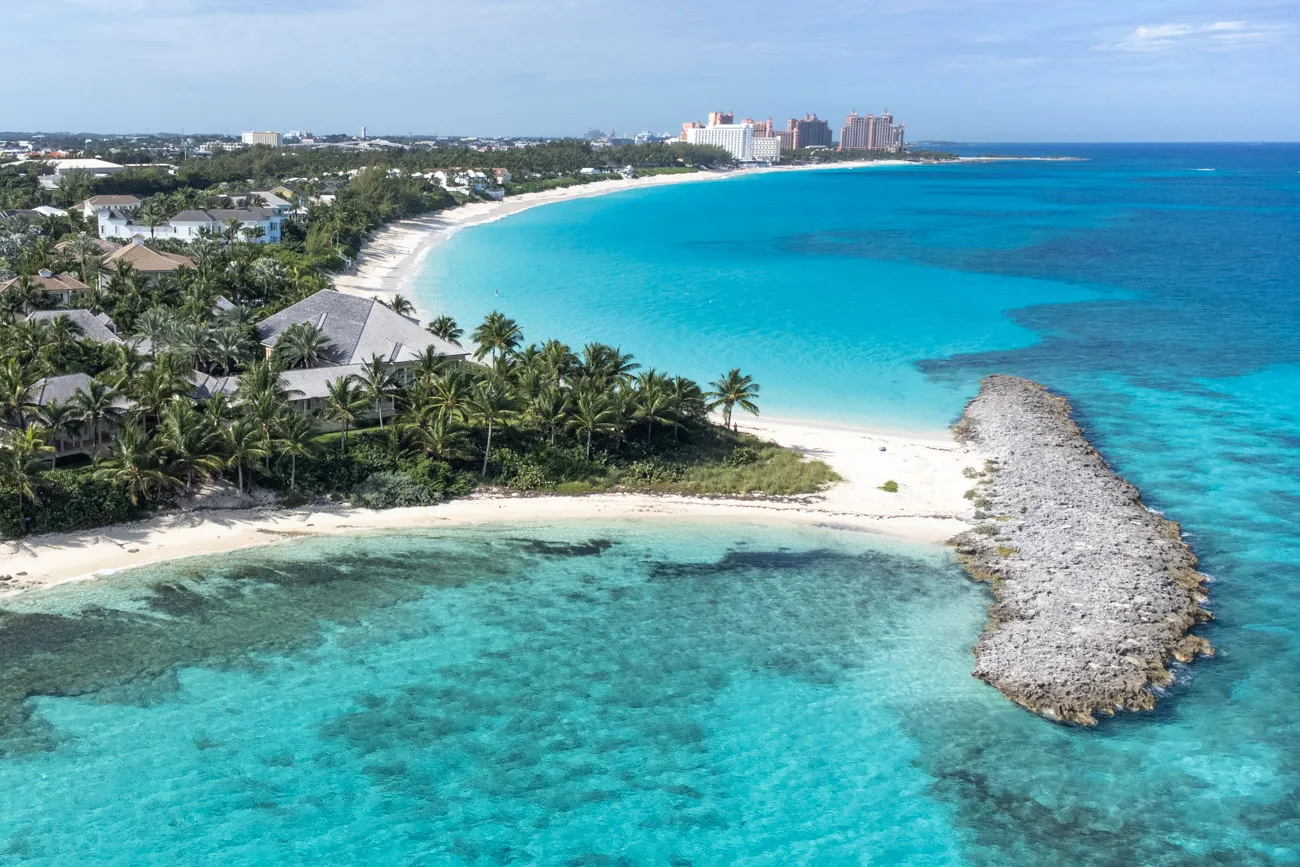
Every beach in the Bahamas is public up to the high water mark, so you are never far from somewhere to swim. The four below cover the useful range: one you can walk to from the ship, two long resort strips, and one the locals keep for themselves.
Swimming with the Pigs in Nassau
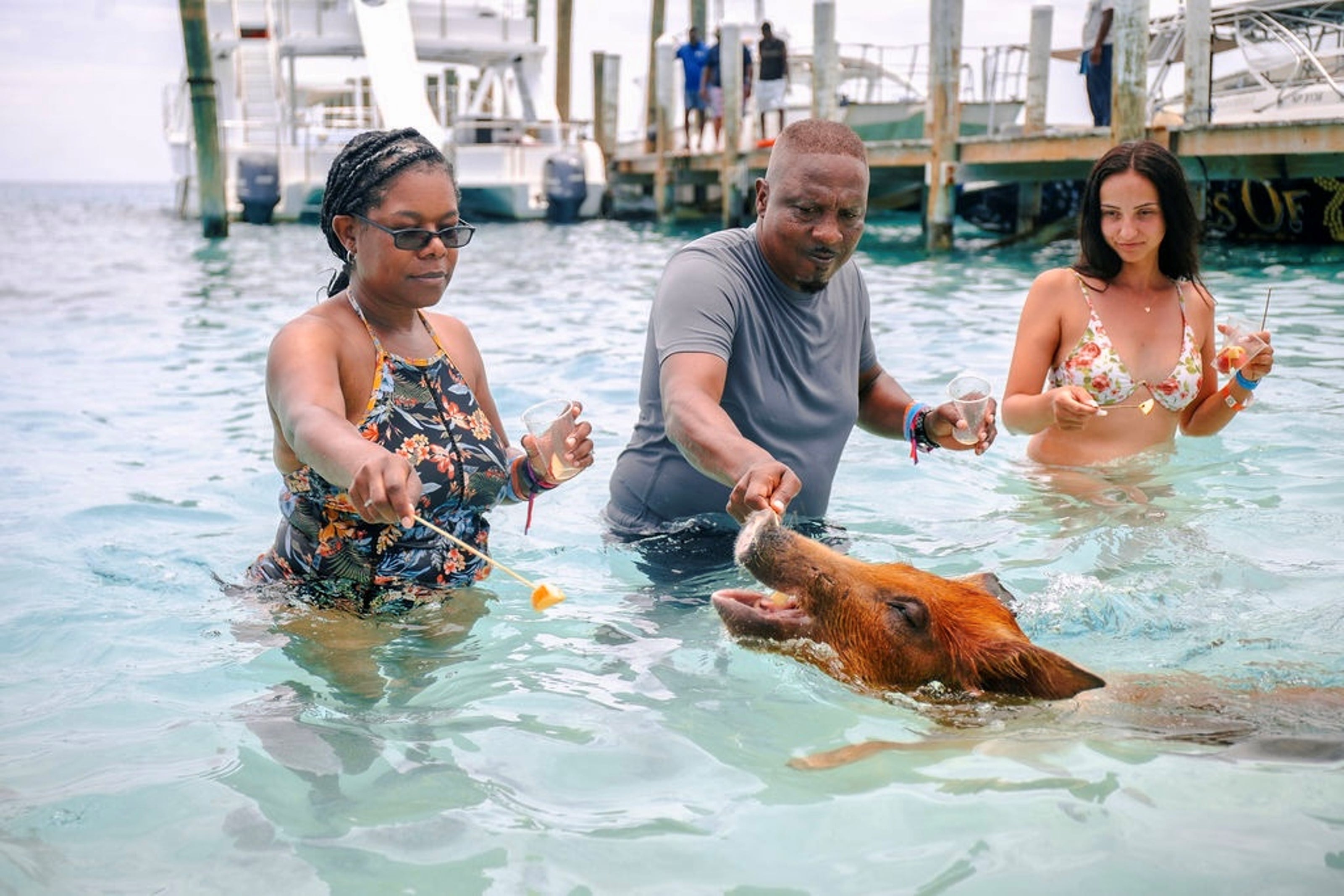
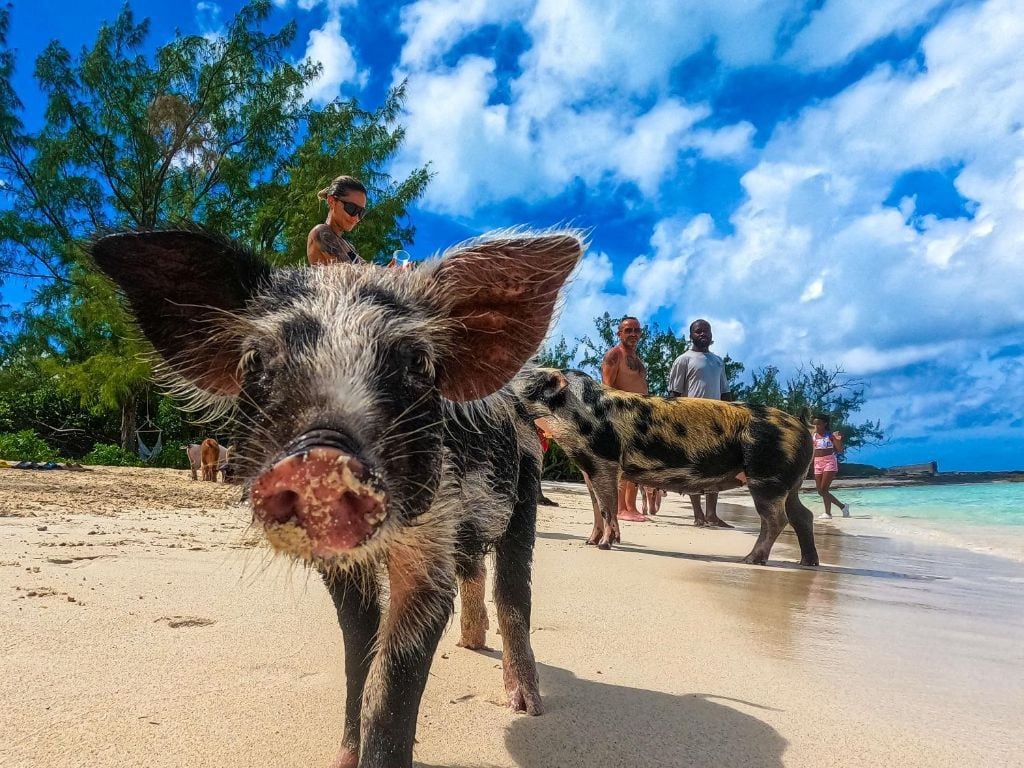
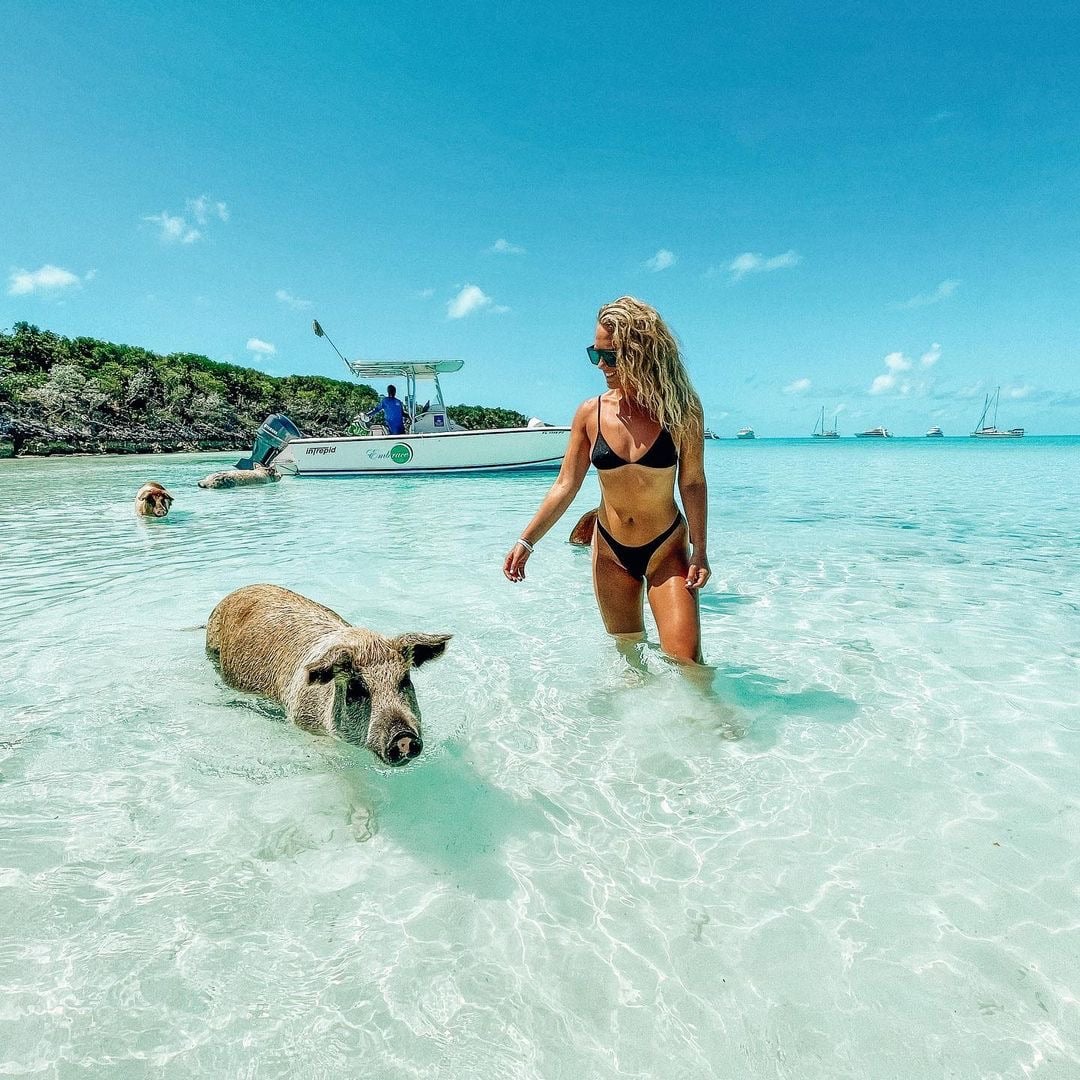
Swimming with the pigs is the trip everyone asks about, and you do not need to fly to Exuma to do it. Rose Island sits about twenty minutes off Nassau by boat and has its own resident herd, which makes it the only version that works on a cruise port day. Below are the pig swimming trips you can book direct with us, from quick Rose Island runs to full day Exuma excursions.

Yacht Charters in Nassau
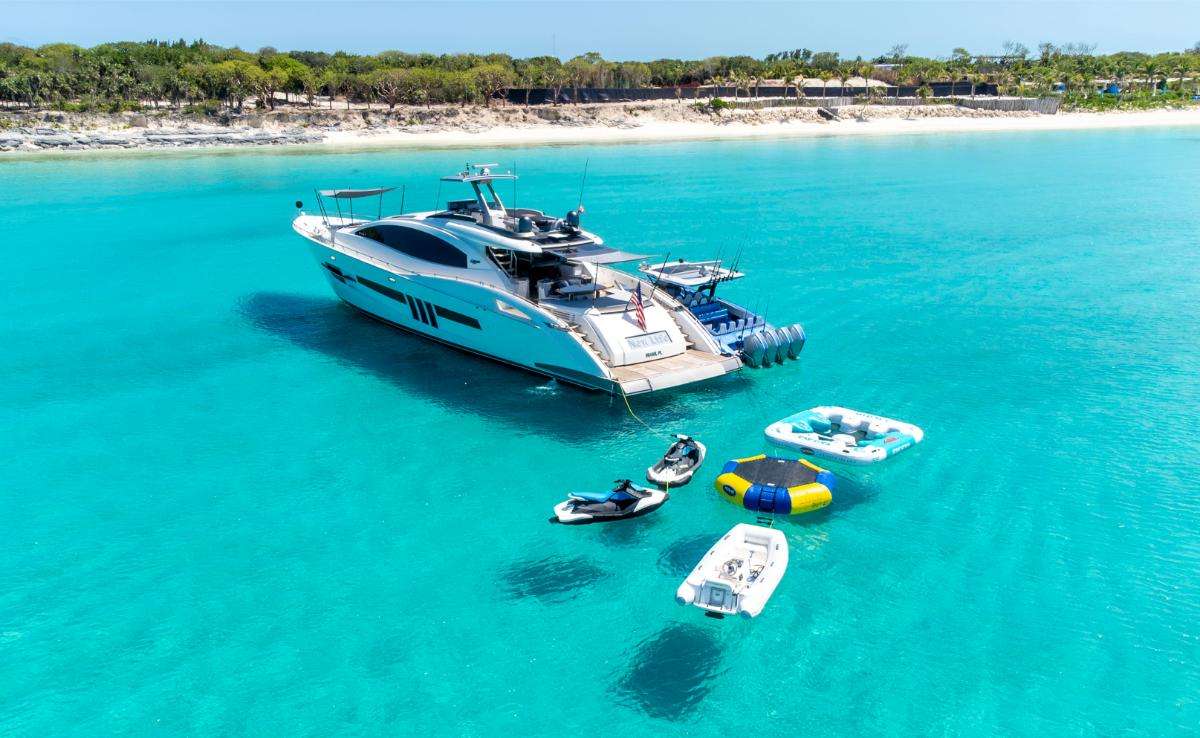
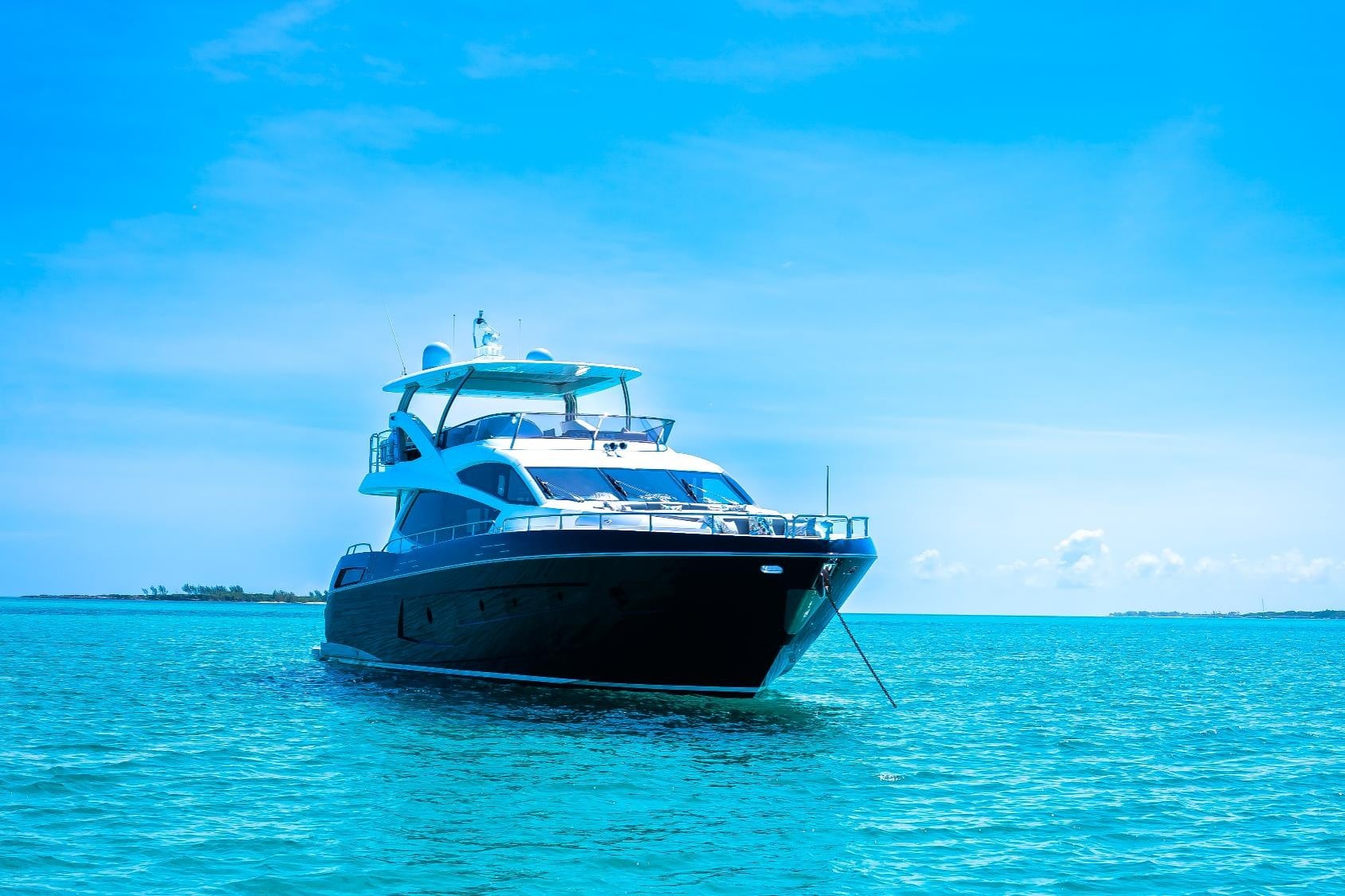
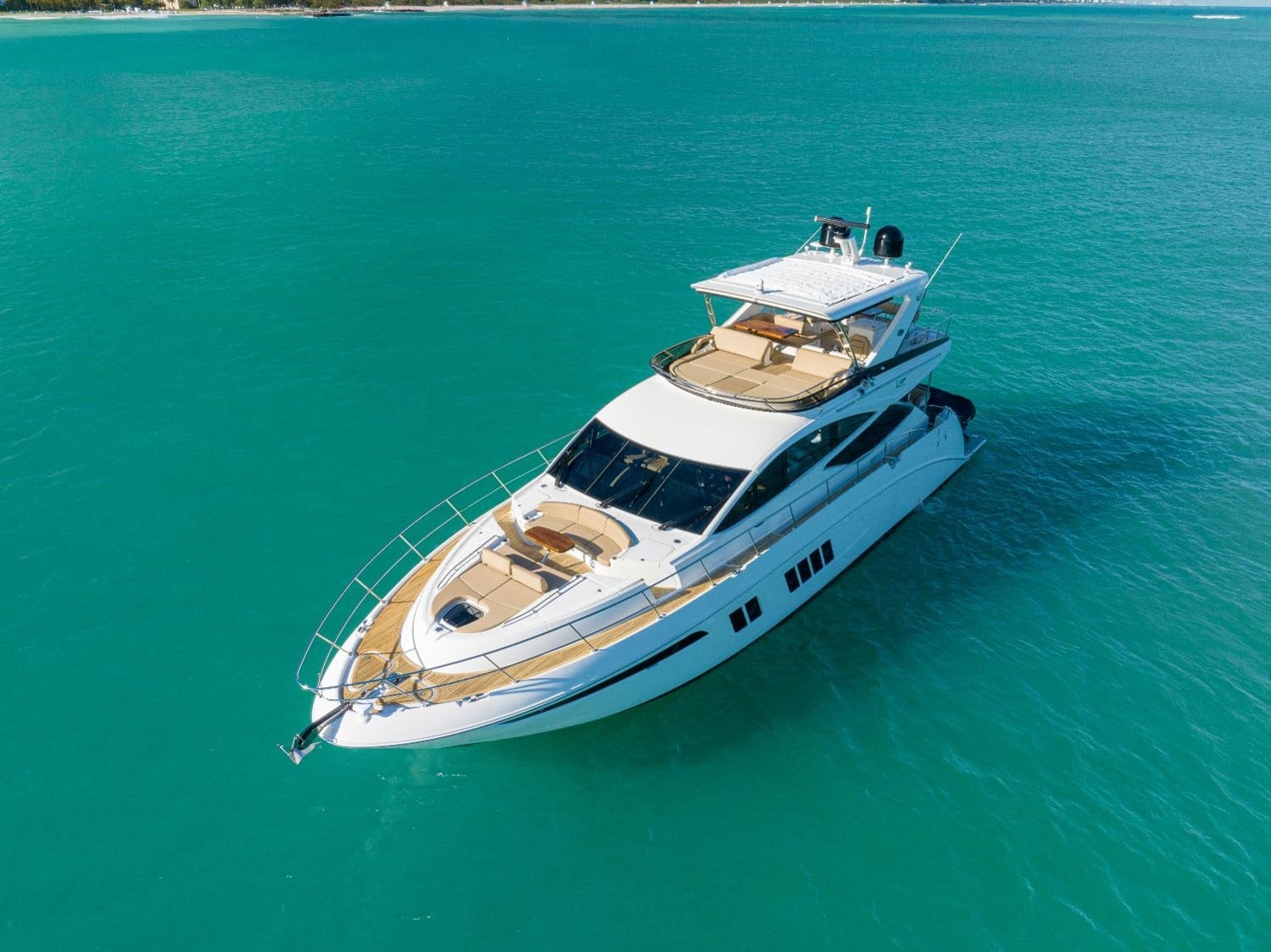
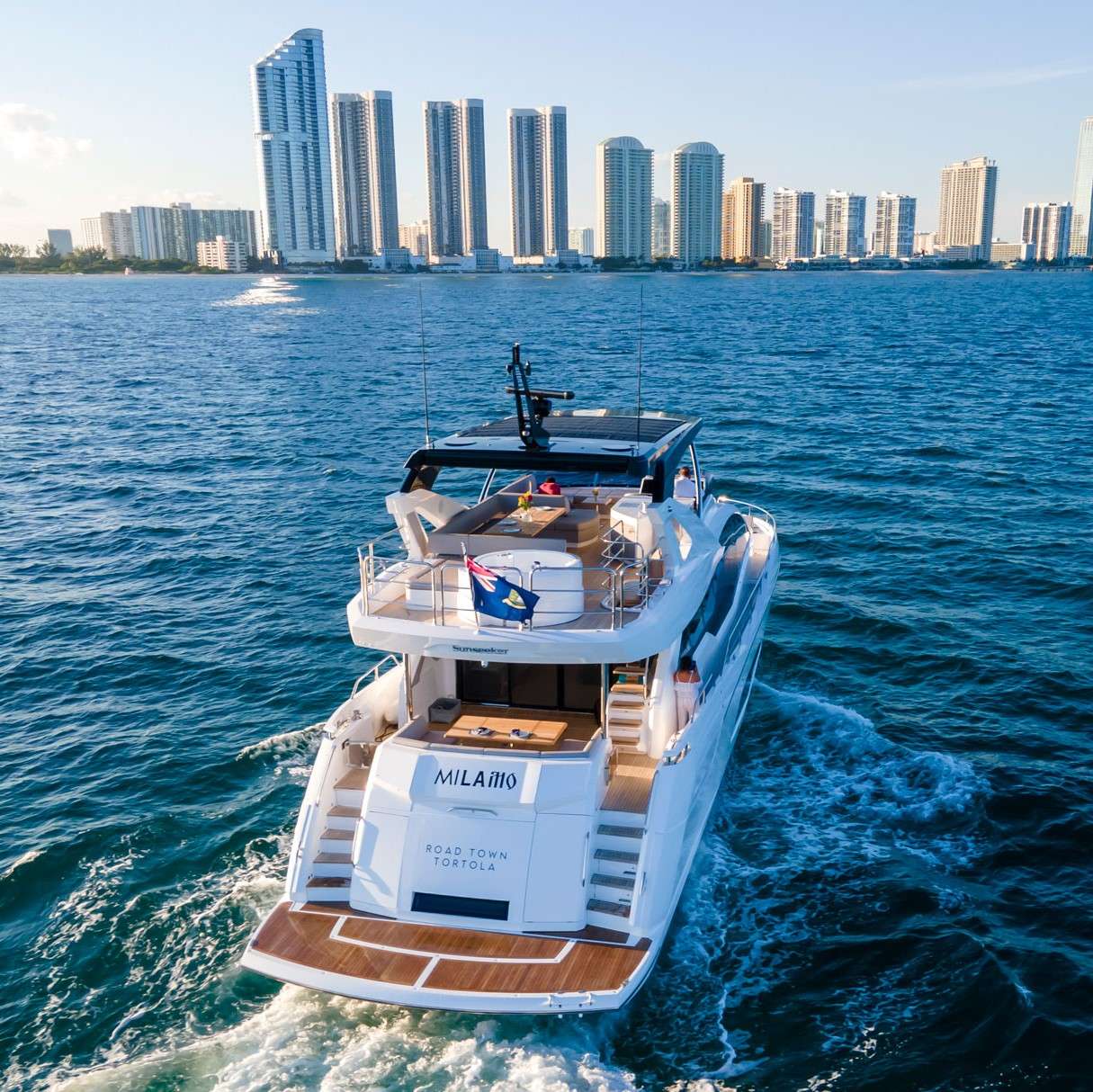
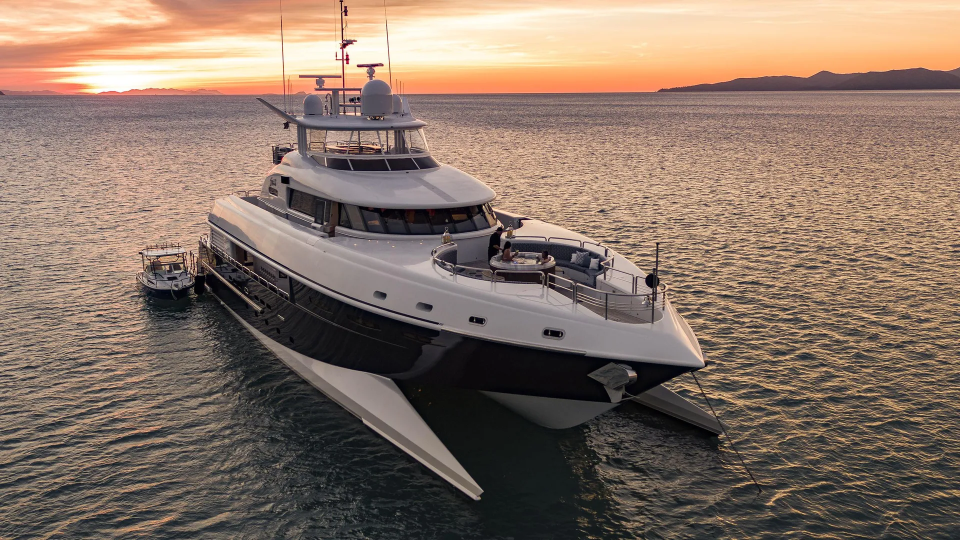
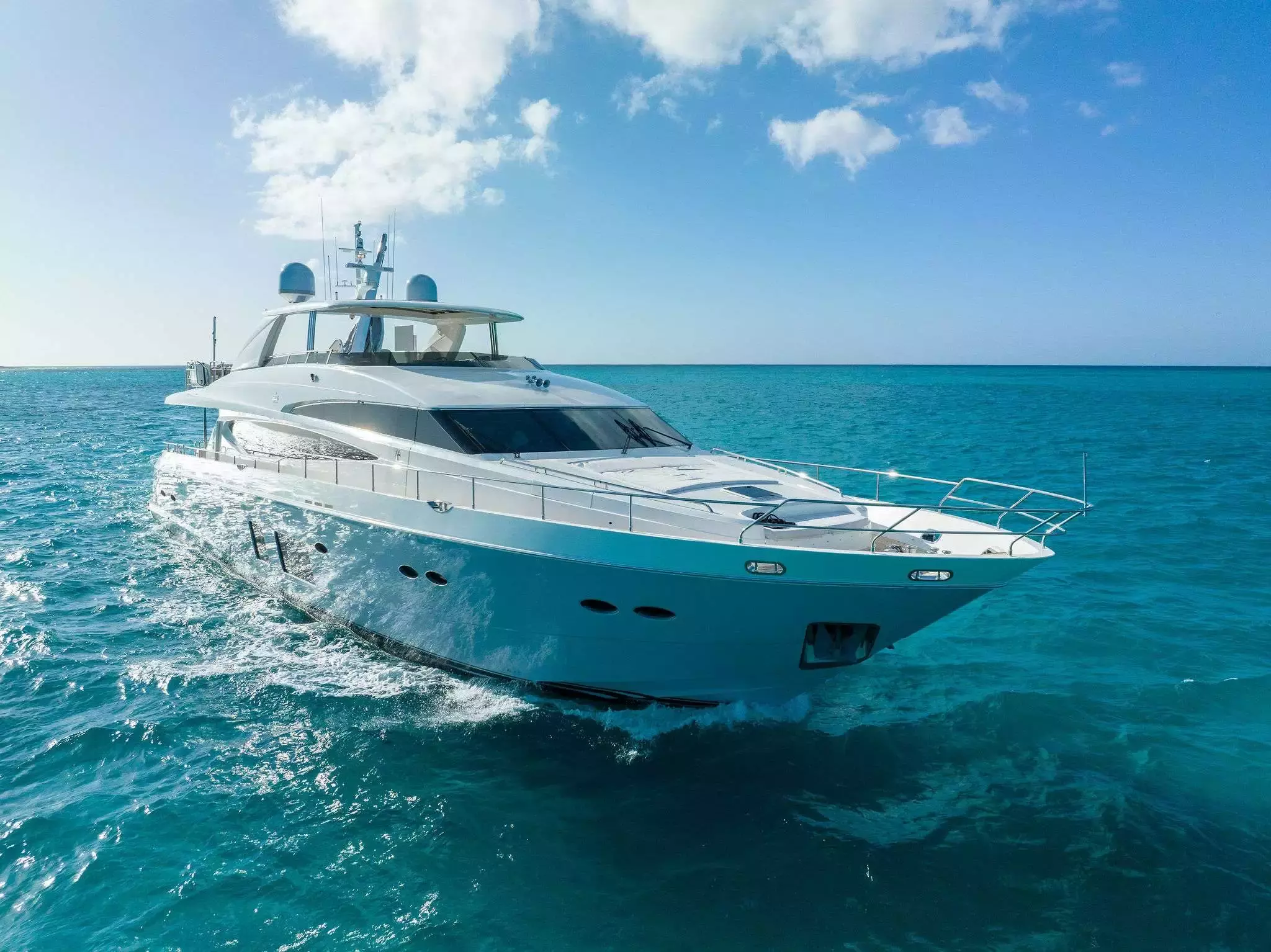
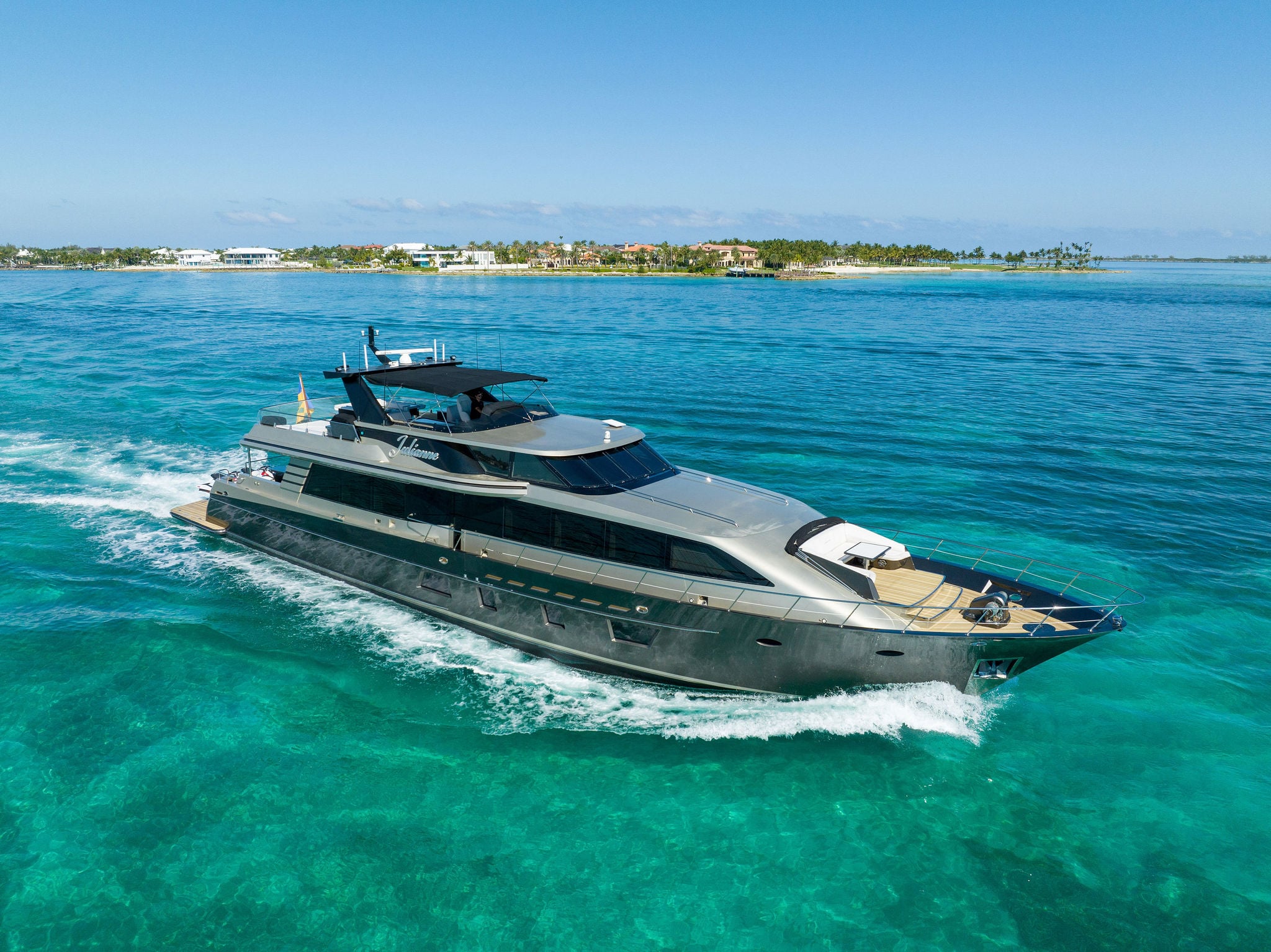
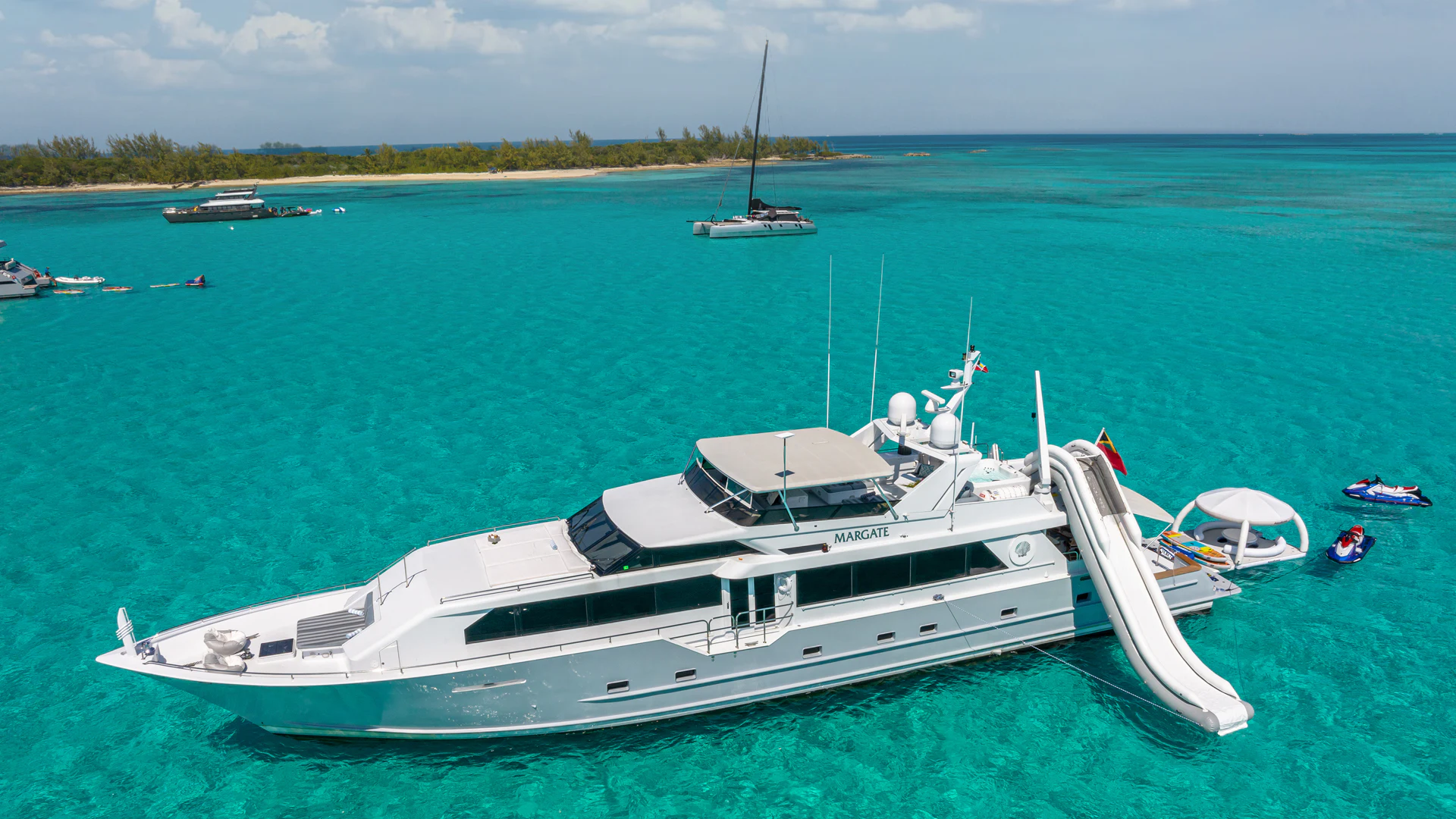
A private day charter out of Nassau is the difference between queueing for a photo and having the sandbar to yourself. Our fleet runs from a 50ft catamaran up to a 111ft motor yacht, all berthed in Nassau, with captain and crew included and a typical capacity of ten to twelve guests.
Boat Rentals in Nassau
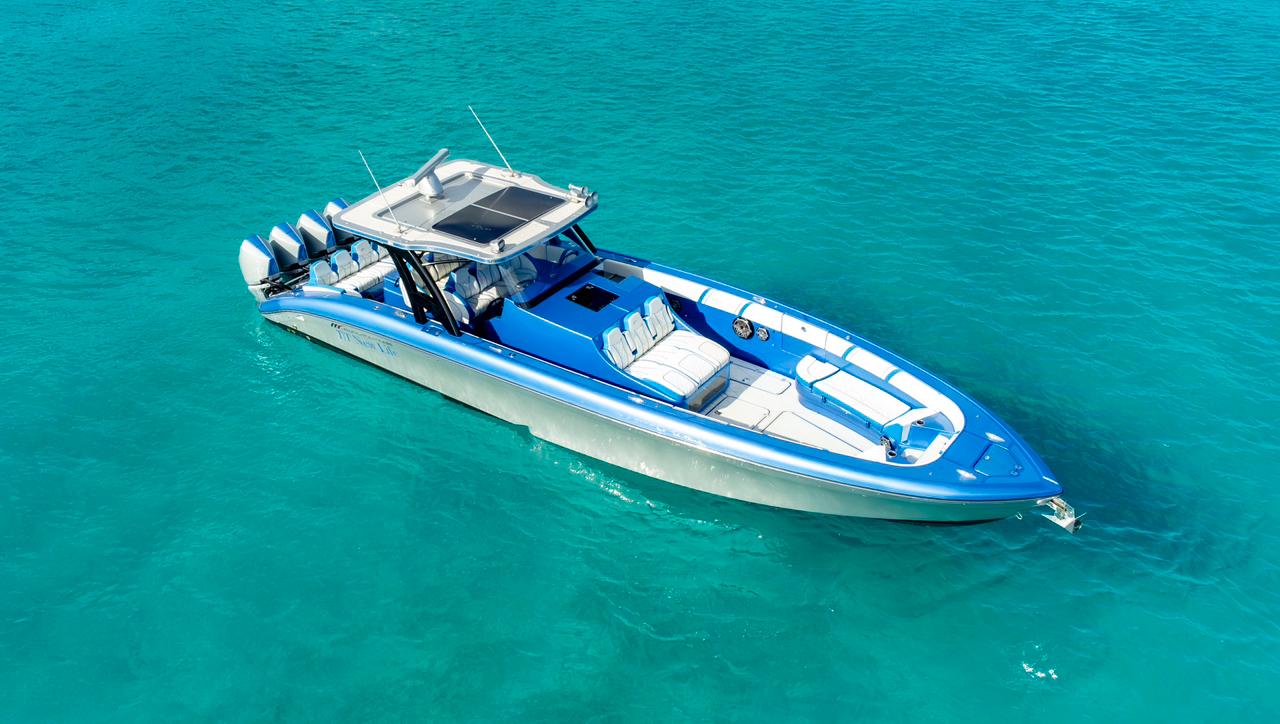
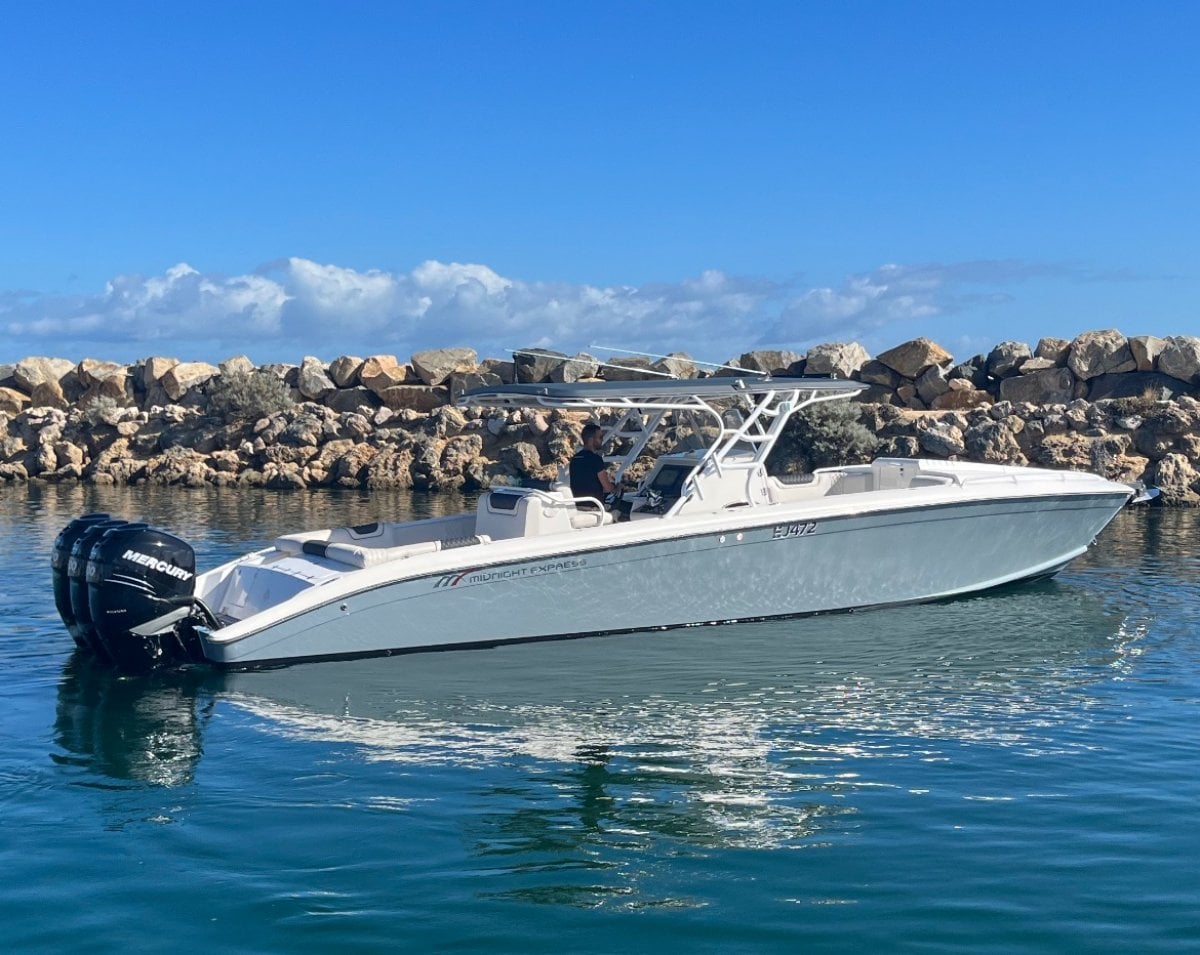
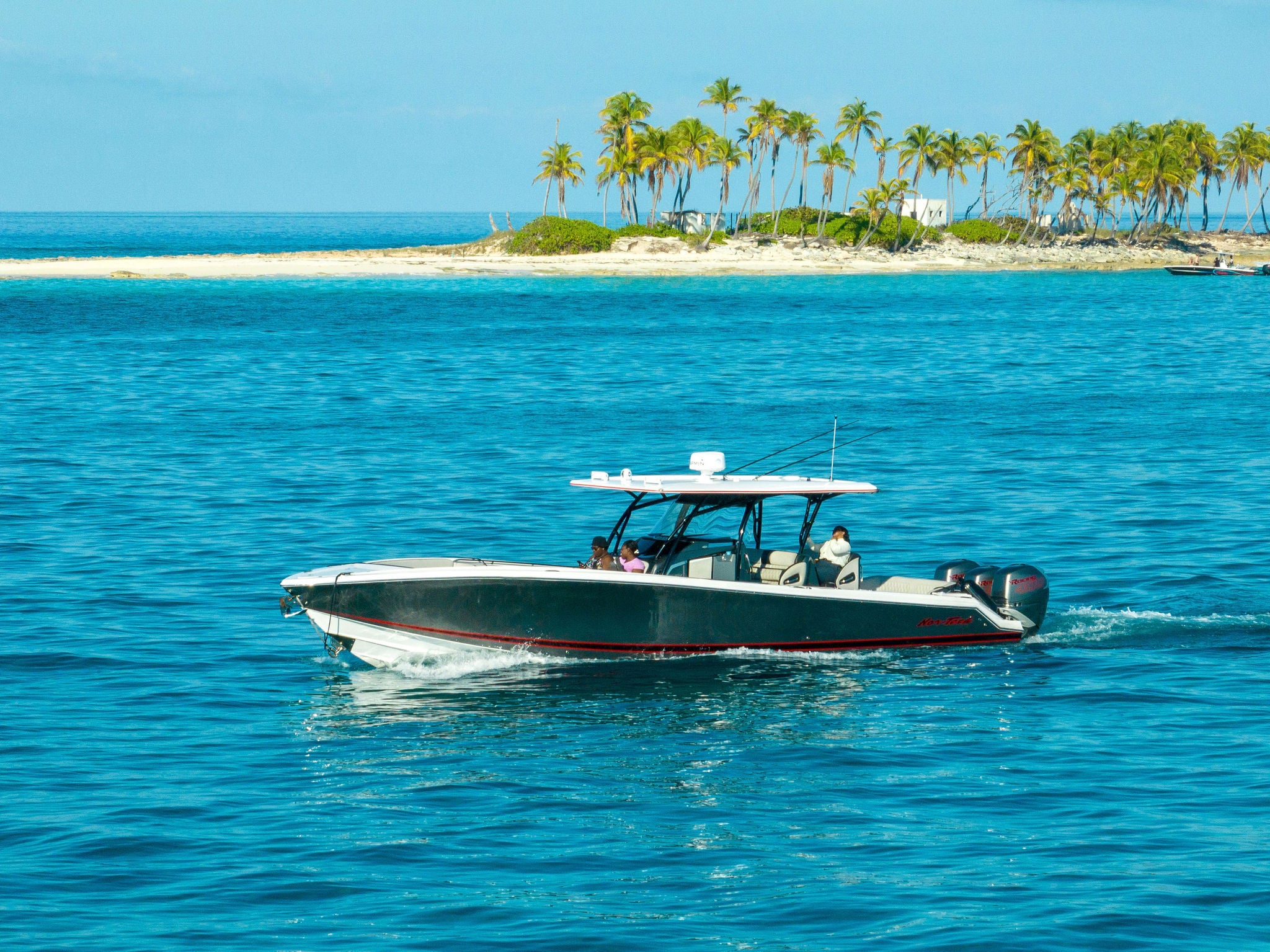
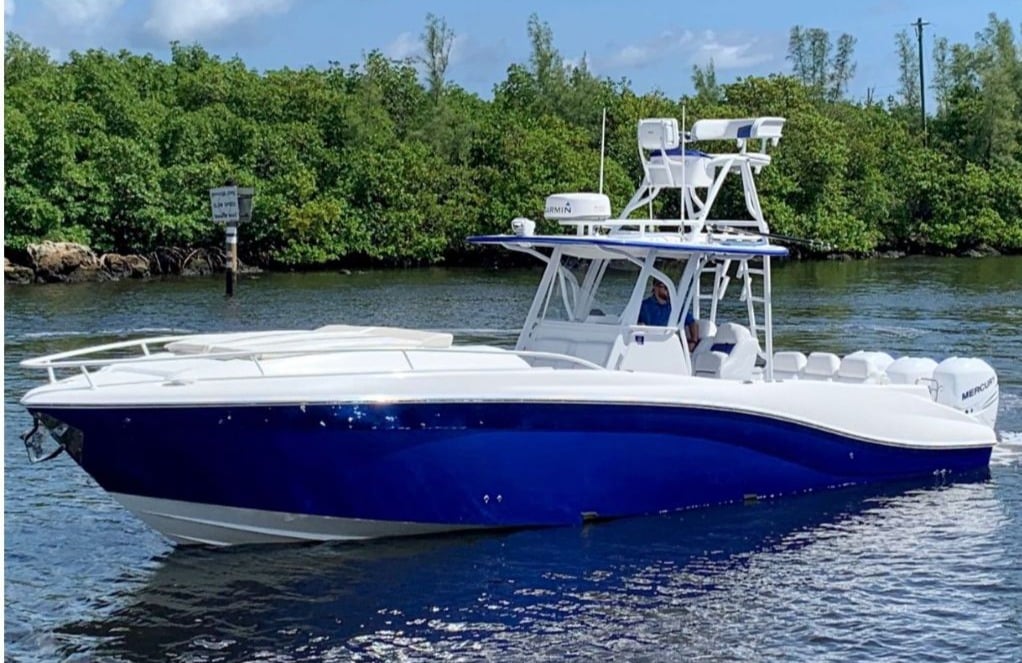
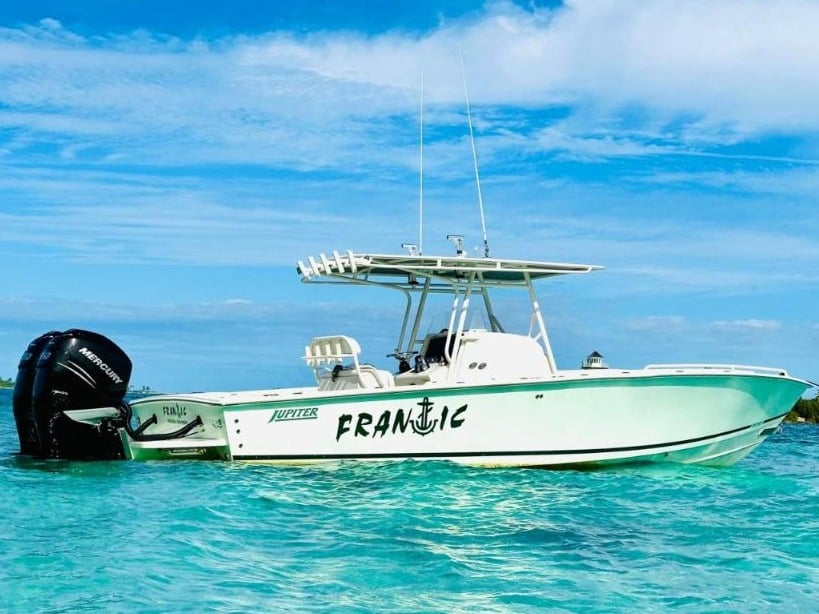
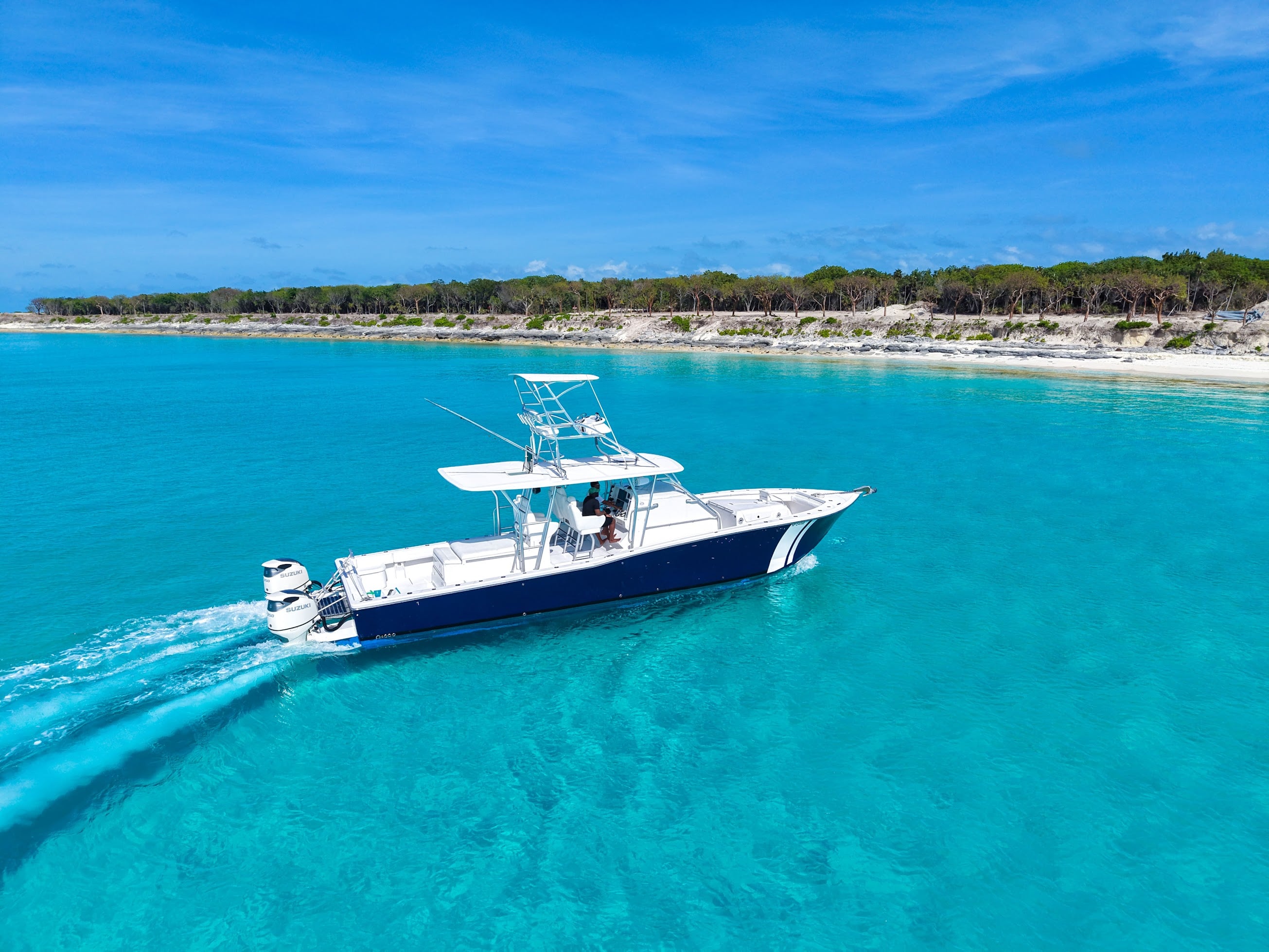
If a full yacht is more boat than you need, a smaller private rental gets you to the same sandbars and snorkel spots for a fraction of the price. These work well for half days, family groups and anyone who wants to set their own route rather than follow a tour schedule. Captain included on every listing.
Where to Eat in Nassau
Nassau's dining runs from conch salad chopped in front of you at Arawak Cay to some of the most ambitious kitchens in the Caribbean at Baha Mar. The picks below are the ones we book most often, and you can reserve any of them through us.

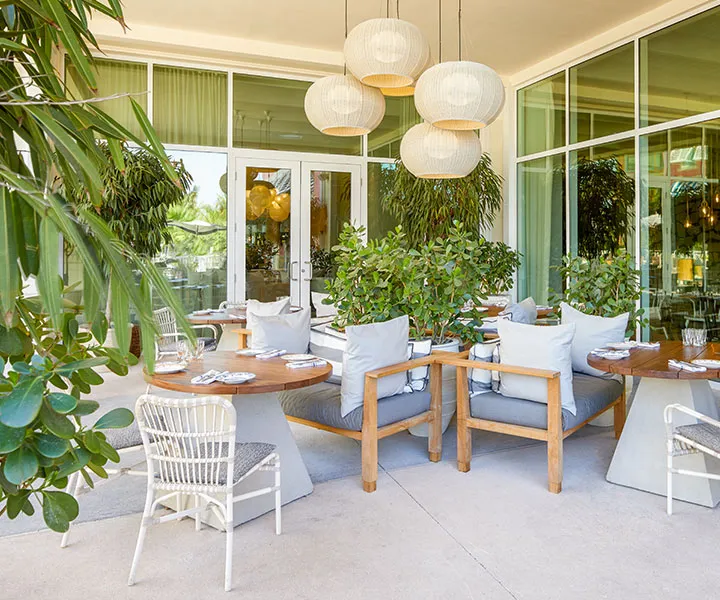
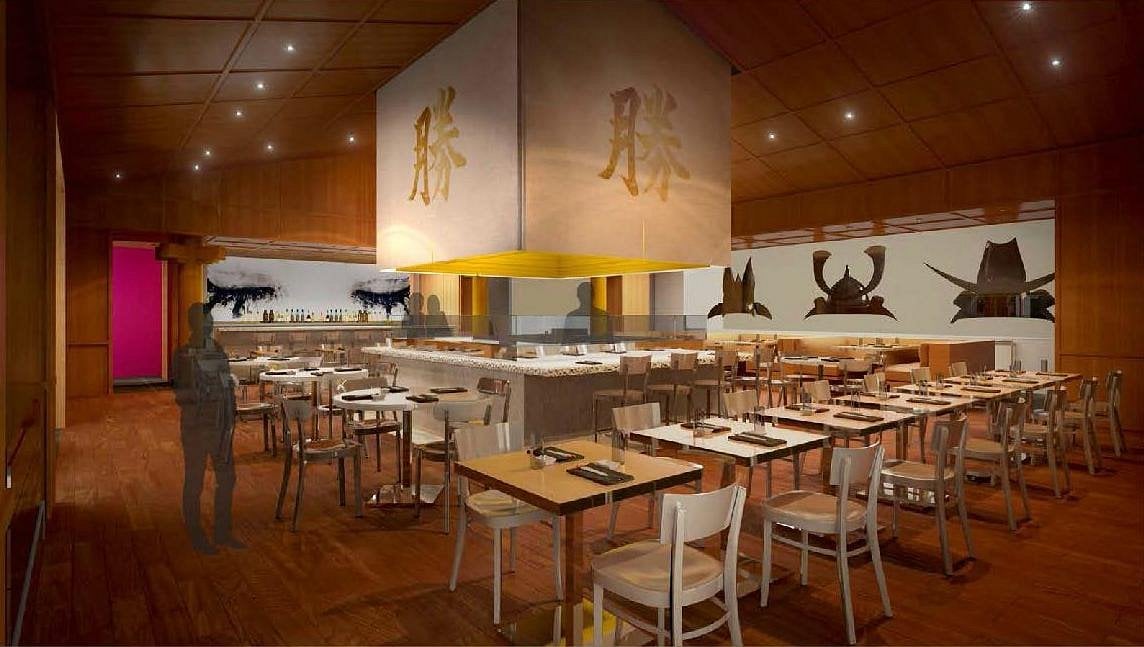
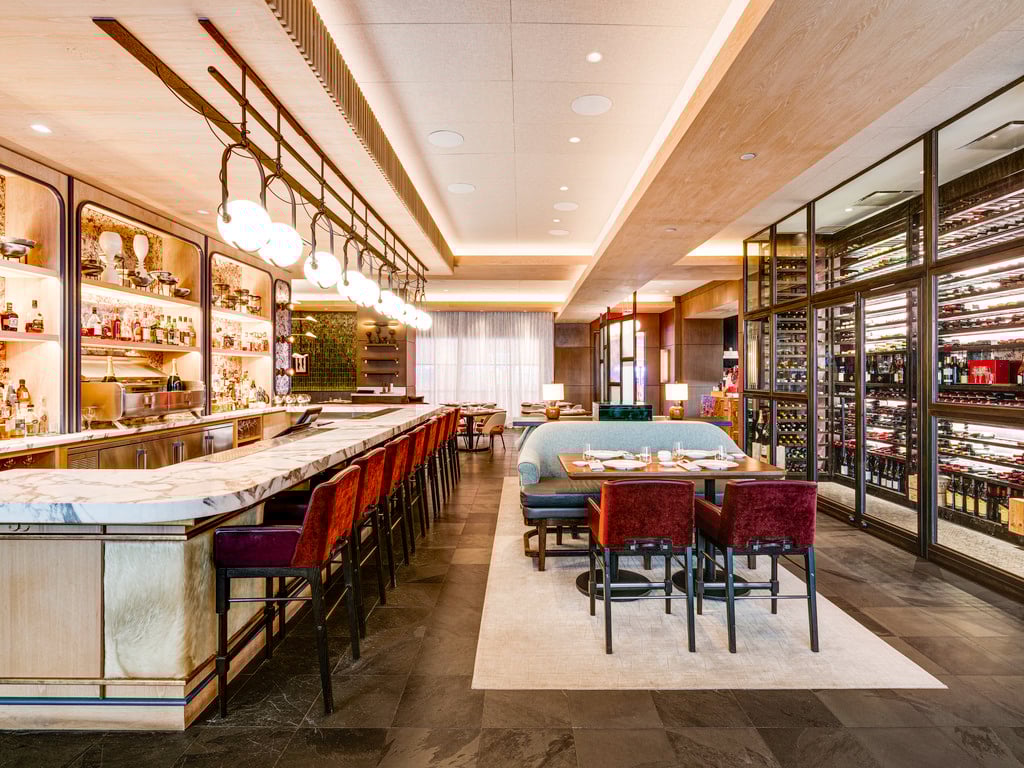


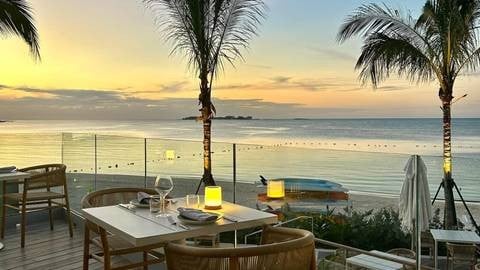
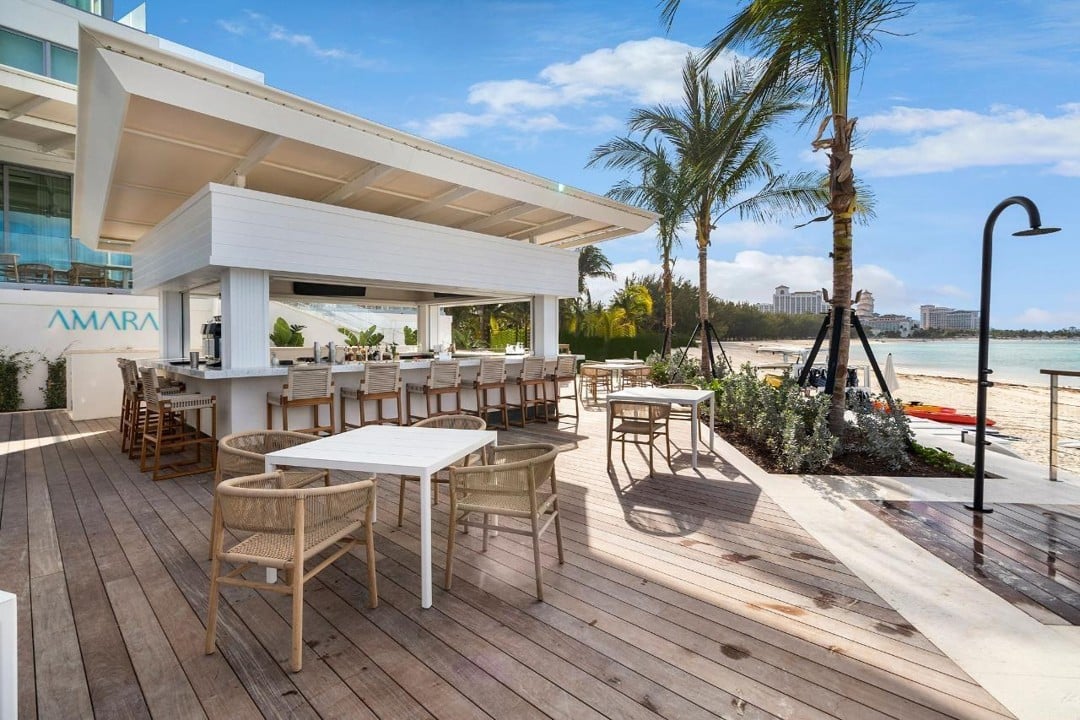
More Nassau Attractions Worth Knowing
Museums, gardens, cathedrals and one very large resort. None of these need a guide, so treat this as the list to fill gaps in your day with.
Atlantis Paradise Island
The resort most people picture when they think of the Bahamas. Non guests can buy day passes for Aquaventure water park and The Dig, an aquarium built into the resort's foundations.
Pirates of Nassau Museum
A small interactive museum on the golden age of piracy, built around a full size replica ship. It is indoors and air conditioned, which makes it a solid rainy day option.
National Art Gallery of The Bahamas
The national collection of Bahamian art, housed in a restored 1860s colonial villa on West Hill Street. Quiet, well curated and about a ten minute walk from Bay Street.
Ardastra Gardens & Wildlife Conservation Centre
Five acres of botanical gardens best known for their marching flamingos, which have been performing here since the 1950s. There are also iguanas, parrots and a small aviary.
Parliament Square
The pink Georgian government buildings at the centre of downtown, still in use by the Bahamian parliament. Worth five minutes and a photo on your way to the Straw Market.
Christ Church Anglican Cathedral
The 1837 cathedral on George Street, and the reason Nassau is technically a city. Open to visitors outside of services, with good stained glass and a cool stone interior.
St Francis Xavier Cathedral
The oldest Catholic cathedral in the Bahamas, built in 1886 on West Street. Less visited than Christ Church and a short walk from the National Art Gallery.
Clifton Heritage National Park
A 200 acre park at the western tip of the island covering Lucayan, loyalist and African heritage sites, plus an underwater sculpture garden you can snorkel over.
Getting Around & When to Visit Nassau
The best time to visit the Bahamas is between December and April, when daytime highs sit around 25C to 28C (77F to 82F), rainfall is at its lowest and the islands are outside hurricane season. May and late November are the value sweet spots: still warm and dry enough, with noticeably lower prices and thinner crowds.
Hurricane season officially runs from 1 June to 30 November, with the highest risk between mid August and late October. Most days in those months are perfectly good beach days, but it is the one window where travel insurance and a flexible booking are worth having. The month by month breakdown below covers temperatures, crowds and what is best to do in each.
Getting around is straightforward. Downtown Nassau and the cruise port are walkable, jitney buses run a flat fare along the main routes, and taxis are metered by zone rather than distance. Agree the fare before you get in, and remember that driving is on the left.
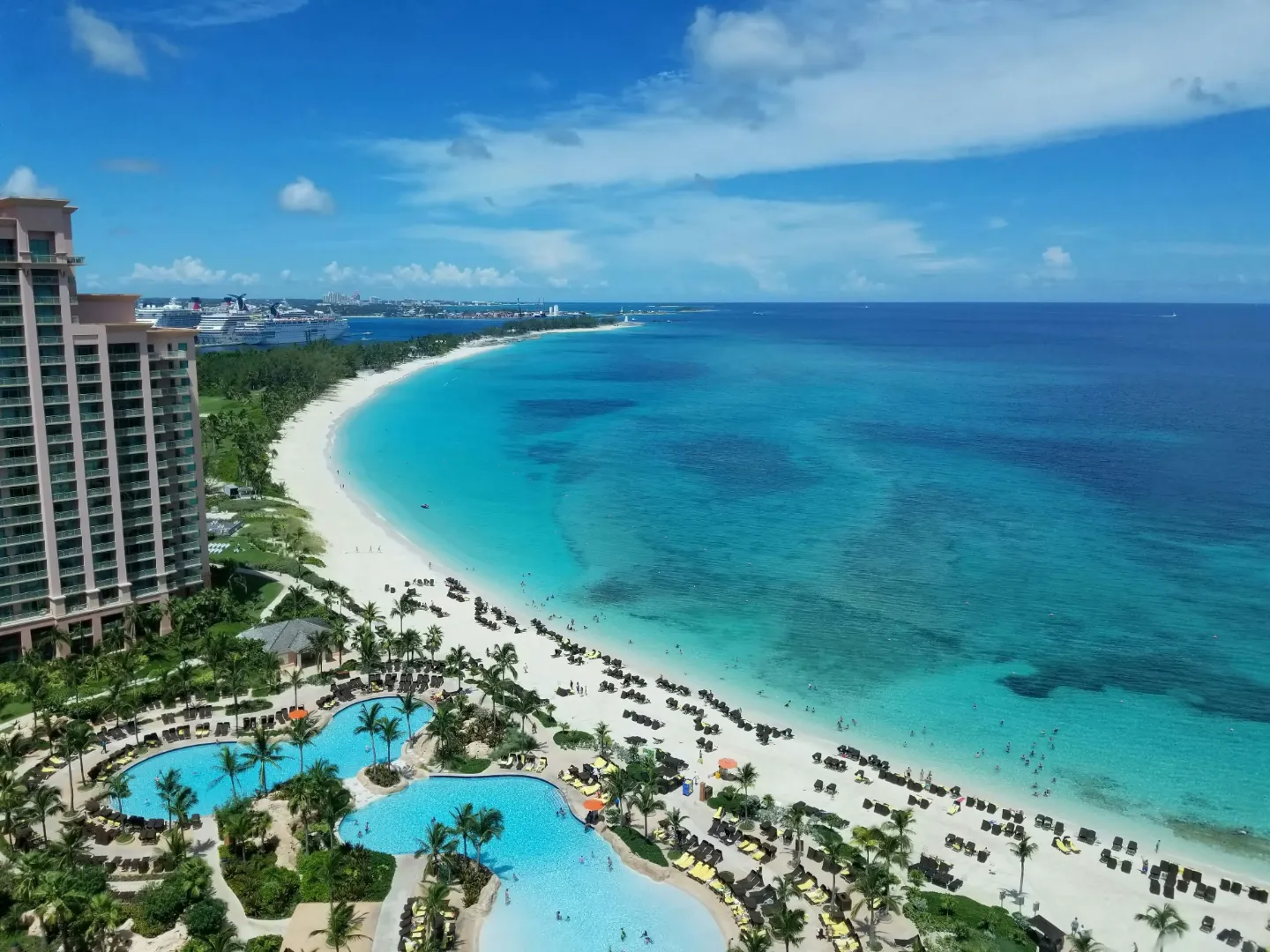
January is the coolest and driest month in Nassau. Expect highs around 25C (77F), lows near 18C (64F) at night and very little rain. Sea temperatures sit around 24C (75F), which is swimmable but noticeably brisk if you are used to summer water.
This is peak season. Cruise ships are at their fullest, hotel rates are high and popular tours book out days ahead. Pack a light jacket for evenings, particularly if you are on a boat after sunset.
Best for: walking tours of historic Nassau, boat trips and anything that would be uncomfortable in August heat. The Rose Island pig trips run year round and are at their most pleasant now.
February temperatures in the Bahamas are almost identical to January, with highs of about 25C (78F) and lows around 18C (65F). It is statistically the driest month, so if guaranteed sunshine matters more than price, this is your window.
Crowds are heavy through the whole month and peak over Presidents' Day week. Book tours and restaurants well ahead. Water temperatures are at their lowest for the year, around 23C to 24C, so a rash vest is worth packing for longer snorkelling stops.
Best for: private charters and sandbar trips, when the light is good and the water is at its clearest.
March warms up noticeably, with highs around 27C (80F) and evenings that no longer need a jacket. Rainfall stays low and the trade winds ease off through the month.
Spring break brings a younger, busier crowd to Cable Beach and Paradise Island from early March onwards. Downtown and the forts stay comparatively calm.
Best for: everything. March is arguably the most reliable all round month in Nassau, warm enough for full days in the water and still outside hurricane season.
April temperatures in the Bahamas average about 28C (82F) by day and 21C (70F) at night, with sea temperatures climbing back toward 26C (78F). Rainfall is still low and humidity has not yet arrived.
Once Easter has passed, crowds thin out and rates start to soften while the weather stays excellent. That combination makes late April one of the smartest times to visit.
Best for: Exuma day trips. Calm seas and warm water make the long crossing far more comfortable than it is in winter.
May is warm and mostly dry, with highs near 29C (85F). The wet season begins toward the end of the month, though rain usually arrives as a short heavy afternoon shower rather than a washout.
Prices drop meaningfully once the winter season ends and the island is noticeably quieter. Hurricane season has not started yet.
Best for: travellers who want high season weather without high season crowds or rates.
June brings summer properly: highs around 31C (88F), humid air and short afternoon downpours most days. Sea temperatures reach a very warm 28C (82F).
Hurricane season officially opens on 1 June, but June is historically one of the quietest months for storms. The practical effect is mostly on your insurance rather than your plans.
Best for: families travelling on school holidays and anyone who wants bath warm water for snorkelling.
July is hot and humid, with highs around 32C (90F) and heat index values that feel higher. Afternoon thunderstorms are common but usually brief.
Bahamian Independence Day on 10 July brings Junkanoo rush outs, parades and fireworks. Some businesses close for the day, so check ahead if you are booking around it.
Best for: getting out on the water early. Book morning departures and keep the hottest part of the day for shade or the pool.
August is the hottest month of the year in Nassau and the point at which hurricane activity starts to pick up in earnest. Highs hold around 32C (90F) with high humidity throughout.
Emancipation Day and Fox Hill Day fall in early August and are both worth catching if your dates line up. Rates are low and the island is quiet outside those weekends.
Best for: budget travellers who are comfortable with the weather trade off and book flexible or insured.
September is the statistical peak of Atlantic hurricane season and the wettest month of the year in the Bahamas. It is also the cheapest, by a wide margin.
Some hotels and restaurants close for maintenance during September. Boat trips can be cancelled at short notice if conditions turn, so build flexibility into your plans and take travel insurance seriously.
Best for: bargain hunters with flexible dates. If your trip cannot move, consider a different month.
October starts wet and humid and ends noticeably more pleasant. Highs ease to around 30C (86F) and storm risk drops sharply after the middle of the month.
The island is quiet and rates stay low, making late October a genuinely underrated window if you can accept a little uncertainty in the first half.
Best for: the last two weeks, when you get near perfect weather at off season prices.
November is one of the best value months of the year. Highs sit around 28C (82F), humidity has broken, rainfall drops off and hurricane season closes on the 30th.
Crowds are light until American Thanksgiving week, when both rates and cruise arrivals spike for a few days before falling back.
Best for: anyone who wants December weather at September prices. Book early November if you can.
December is dry, mild and comfortable, with highs around 26C (79F). Evenings cool off enough to want a light layer, especially near the water.
The Boxing Day Junkanoo parade is the single biggest event on the Bahamian calendar. Groups march down Bay Street from the small hours of 26 December in costumes worked on all year. If you are in Nassau for it, do not sleep through it.
Rates climb steeply from about the 20th and stay high through New Year. The first two weeks of December are much better value for near identical weather.
Hurricane season in the Bahamas runs from 1 June to 30 November, matching the wider Atlantic season. Activity is heavily concentrated in the second half: mid August through late October accounts for the large majority of storms, with September the single riskiest month.
In practice, most days during hurricane season are ordinary hot summer days. Direct hits on New Providence are rare, and the more common disruption is a passing system that brings a few days of rain and rough seas, which cancels boat trips rather than ruining a whole trip.
If you are travelling between August and October, book accommodation and tours with flexible terms, take travel insurance that covers weather disruption, and keep an eye on the National Hurricane Center forecasts in the week before you fly. Our own tours are refunded or rescheduled when we cancel for weather.
Nassau Questions, Answered
If you only do one thing, make it a boat trip. Swimming with the pigs at Rose Island is the experience visitors consistently rate highest, and it fits inside a cruise port day. If you would rather stay on land, walk the Queen's Staircase and Fort Fincastle loop and finish at the Straw Market, then swim at Junkanoo Beach.
Yes. The port opens directly onto Bay Street, and Parliament Square, the Straw Market, the Queen's Staircase, Fort Fincastle and Junkanoo Beach are all within a fifteen minute walk. You only need a taxi for Paradise Island, Cable Beach, Fort Charlotte or Clifton Heritage. See the historic Nassau section for the walkable route.
December through April gives you the driest, coolest weather and the lowest storm risk, which is also why it is the busiest and most expensive stretch. Late April, May and November hit the best balance of good weather and lower prices. The month by month guide breaks down temperatures and crowds for all twelve months.
It runs from 1 June to 30 November, with the highest risk between mid August and late October. September is the peak month. Most days in that window are still good beach days, but it is the period where flexible bookings and travel insurance genuinely matter. There is more detail in the hurricane season panel.
Junkanoo Beach if you are walking from the port, Cabbage Beach on Paradise Island for a long stretch of sand, Cable Beach for calm shallow water and family swimming, and Saunders Beach if you want shade and a local crowd. All four are covered in the beaches section, with directions.
For most visitors, yes. Rose Island is about twenty minutes from Nassau by boat, so you get the pigs, a snorkel stop and a quiet beach in half a day, without the cost or the long crossing of an Exuma trip. If the pigs at Big Major Cay in Exuma are specifically what you came for, book the full day Exuma trip instead.
Cruise lines and online travel agencies resell the same local tours with a markup on top, often 30 percent or more, and they sit between you and the operator if plans change. We run our own boats and guides in Nassau, so you pay the operator price and you deal with the people actually running your trip. Contact our team if you want help putting a day together.
Ready to Book Your Nassau Adventure?
We are a local operator, not a marketplace. Book any of these tours with us and you pay the operator price with no third party markup, and you speak to the people actually running the boat if anything changes.