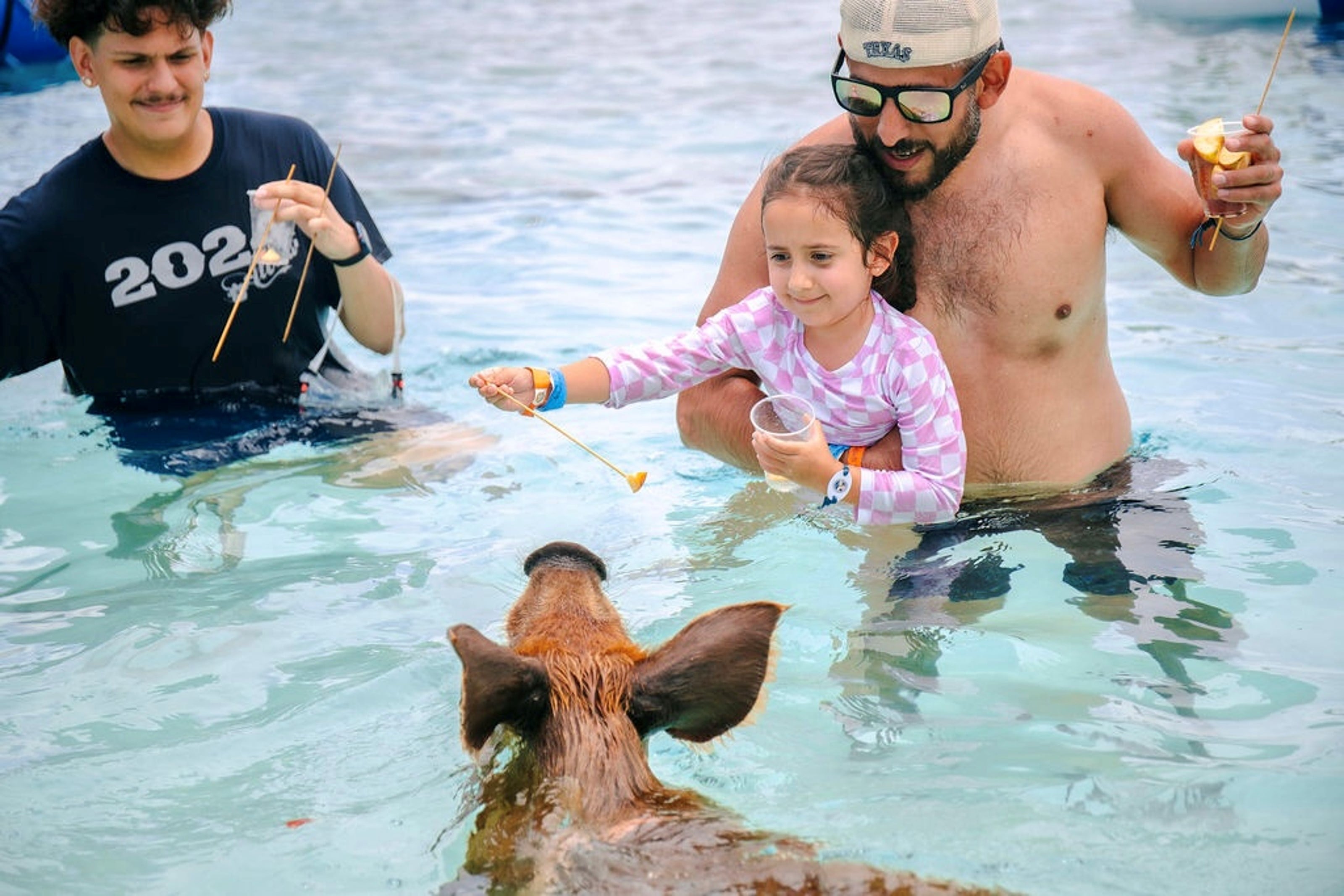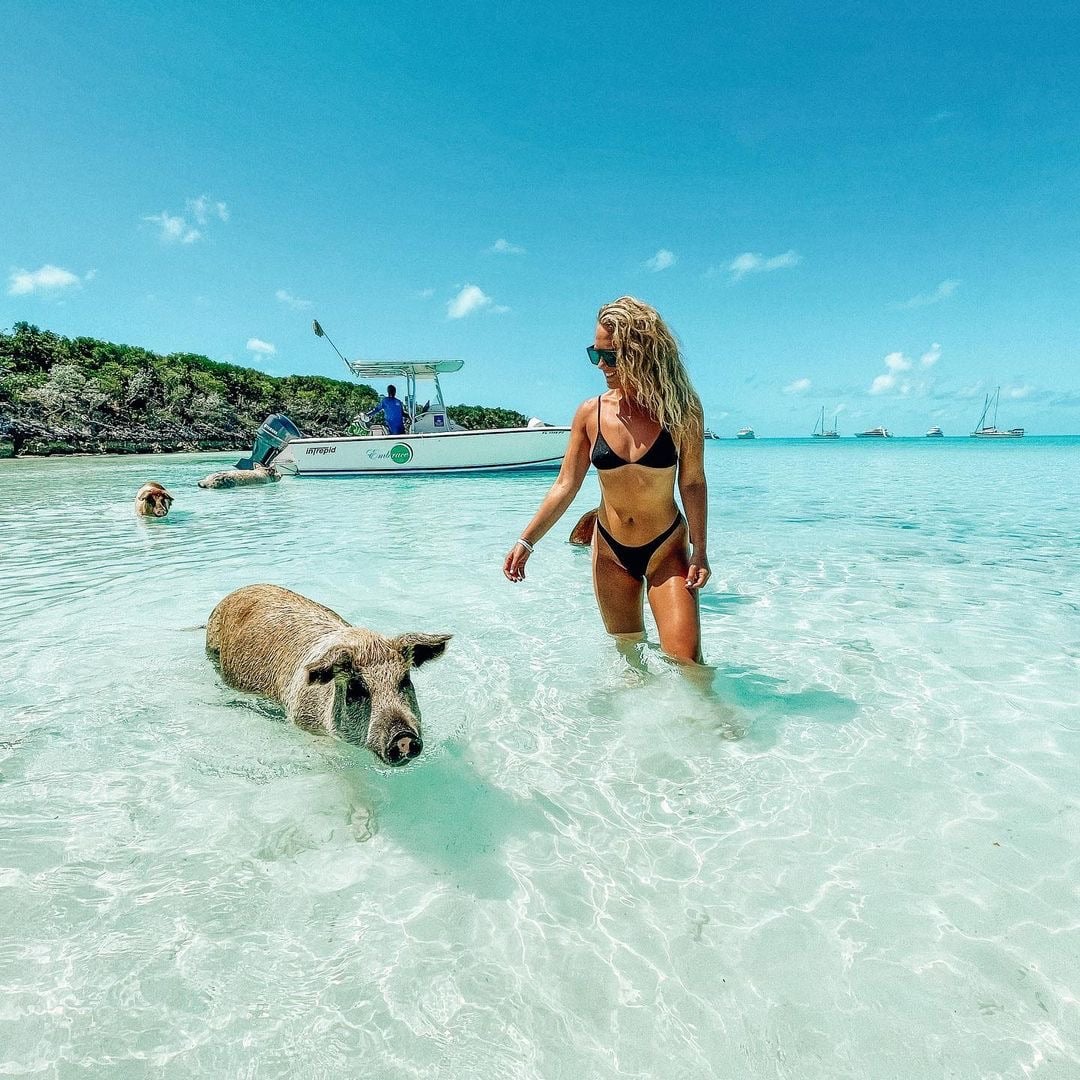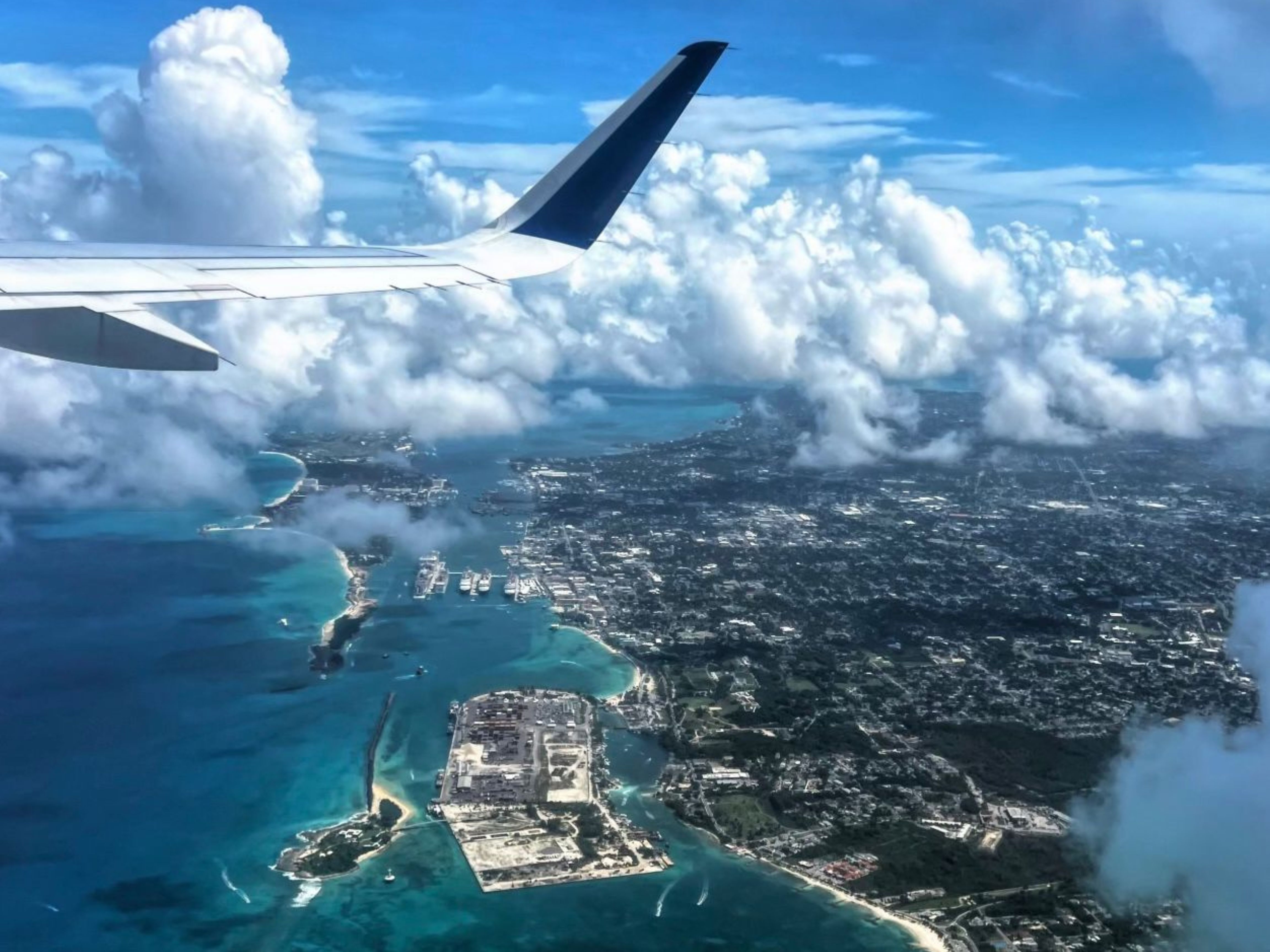

Turquoise waters, white-sand beaches, vibrant marine life. Do a deep dive into the best places to snorkel in the world, and you’ll likely be very familiar with those terms by the time you resurface in reality.
If it’s not beauty alone, what is it that makes the best places for snorkeling truly stand out as must-visit destinations?
What Makes a Great Snorkeling Destination
If you’ve kitted yourself out in a mask, breathing snorkel, and fins, you’re doing it because you want to catch a glimpse of the underwater world in action. If all you’re seeing is murky, sediment-clouded water, chances are you’ll be disappointed.
Visibility is one of the biggest factors determining the quality of a snorkeling destination. Ideally, you want 50–100 feet in a truly great spot. In prime conditions, that’s the least you’ll get from each of the top 10 discussed below.
But what’s clarity without marine life? Another factor that keeps travelers chasing snorkeling opportunities is the health of the reefs they’re observing. When you look down into the depths, you want to see a bustling underwater city filled with colorful corals and a diverse array of marine animals.
Human interaction can disrupt marine life, so the best destinations usually have protection programs in place to preserve reef health.
Of course, there are some practical considerations to think about, too. For one, easy access from the shore is ideal, especially for inexperienced swimmers and those who want to give tour packages a skip. Water conditions also play a role. Calm currents and protected bays make for a more relaxed experience.
Snorkeling Etiquette
Beneath the surface, an abundance of life forms is a sign of an ecosystem in balance. Those complex systems are fragile, and stress in the form of rising temperatures, pollution, and other changes to the water’s chemistry can disrupt them.
When snorkeling, here are a few golden rules to keep in mind:
Use reef-safe sunscreen: Chemicals like oxybenzone, octocrylene, and octinoxate bleach and destroy coral. Look for a mineral-based formula instead. In some protected areas, only reef-safe sunscreen is allowed.
Observe without touching: Collecting shells or coral can harm the reef environment, so leave everything as you find it. Avoid touching the coral formations, sponges, sea fans, sea urchins, and other marine life.
Be mindful with equipment: When wearing fins, be careful to avoid kicking close to coral, and stay horizontal to keep the fins elevated. Loose equipment can damage the corals, as can standing on the reef. Wear a flotation device if needed to avoid making contact with the surface.
Being responsible in the water protects marine life, but it also protects you from the stings and skin irritation that might occur when reef organisms like sea urchins, fire coral, and certain sponges activate their defense systems.

The Top 10 Best Places to Snorkel in the World
The following list (ranked in no particular order) was built with a few factors in mind. In addition to clear waters and an abundance of marine life, each destination has unique attractions and an assortment of great snorkeling spots for all levels.
Let’s get into it.
1. Turks and Caicos
With visibility that often surpasses 100 feet and a coral reef that carries on for 340 miles, it makes sense that Turks and Caicos snorkeling is rated so highly.
What sets the territory apart is the Caicos Bank’s position on a shallow limestone platform. Atlantic currents wrapping around the bank bring open-ocean water free of sediment. Another geographic advantage is that the position along the Atlantic shelf provides shallow waters close to shore.
Visibility and shallow waters? Sounds like a snorkeler's paradise.
Here’s what to know in a nutshell:
Best time to visit: From November to April, conditions are near perfect, but there will be more crowds. Rare shower rains can dampen the snorkeling experience between August and December.
Marine attractions: Nurse sharks occasionally join southern stingrays, surgeonfish, yellowtail snappers, and sergeant majors. Spiny lobsters, spotted eagle rays, and moray eels also feature at certain sites.
Highlights: During winter, migrating humpback whales are naturally funneled through the Turks Island Passage. Juvenile reef fish and mating behavior in parrot- and angelfish can be observed during spring and summer.
Snorkeling Grace Bay Beach is a great option if you want to combine a beach day with time in the water. Thanks to the shallow waters and high visibility, you can stay close to shore.
Another classic Turks and Caicos snorkeling must is Bight Reef, also known as Coral Gardens. You’ll find the reef about 400 feet off of Bight Beach, which is situated at the west end of Grace Bay. The water here is consistently calm, and you can see an assortment of marine life.
If you’d like to try something a little less crowded, Smith’s Reef in the Turtle Cove area of Providenciales hosts a more intricate reef structure. Intermediate snorkelers can enjoy the more dynamic experience that comes with different depth levels and a stronger current.
2. Punta Cana, Dominican Republic
Among Caribbean snorkeling destinations, the Dominican Republic usually doesn’t rank the highest. On the Atlantic side, you’ll find harsh currents and rough waters. Many of the sites on this side have also been damaged.
However, snorkeling on the Caribbean side is another story. The sea is calmer, visibility is great, and there is shelter from trade winds.
At a glance, here’s what you can expect:
Best time to visit: The dry season (December to April) offers low rainfall and pleasant temperatures, but has the downside of bustling tourist activity. The wet season (June to November) coincides with hurricane season, but snorkeling is still possible.
Marine attractions: You might spot butterflyfish, surgeonfish, grunt, and triggerfish. Around Catalina Island, you may see barracudas, parrotfish, brain corals, and stingrays.
Highlights: Catalina and Saona Islands are one to two hours away from Punta Cana and popular day-trip excursions with excellent snorkeling.
A big draw when visiting Punta Cana is the proximity to islands that boast magnificent reefs teeming with sea life. You can book a day excursion to Catalina Island, which features some of the best snorkeling in Punta Cana. Saona Island is another popular destination.
On Catalina, two sites stand out for their snorkeling.
The Wall is situated on the east side of the island, and snorkelers can enjoy the shallow water while divers descend into the 131-foot depths. Marine life you might spot here includes porcupine fish, moray eel, scorpion fish, yellow stingrays, and elephant ears.
At the Aquarium, a shallow snorkeling site located on the west side of the island, you’ll have the opportunity to see coral formations and species like lionfish and seahorses. This is usually considered the more relaxed spot.
3. Nassau, Bahamas
Thanks to its position on the Great Bahama Bank, Nassau enjoys high visibility on account of the warm, shallow water that sits over sand and coral. For beginners, it’s a great option, but the array of marine life will offer plenty of excitement for more experienced snorkelers.
Best time to visit: Between April and June, the water is warm and the current calm, and the winter crowds have thinned out. Visibility is also at its peak before storm season starts in June.
Marine attractions: Possible sightings include sea turtles, baby reef sharks, and stingrays.
Highlights: Taking a Rose Island tour is a great way to experience snorkeling in Nassau if you want to combine time in the water with other activities.
If you have a taste for excursions, venturing out to Pearl Island makes for a great family day. There are protected swimming areas and shallow waters; plus, the island is easily accessed by boat.
One special snorkeling attraction is the Clifton Heritage National Park, located on the western end of New Providence Island. Off the coast of the park, you’ll find the Sir Nicholas Nuttall Coral Reef Sculpture Garden and Coral Nursery. Described as an “underwater classroom and living art space,” the garden, with its combination of coral reefs and underwater sculptures, is something you won’t experience elsewhere.
The featured sculptures include Ocean Atlas, the largest underwater sculpture in the world, and Lady of Coral by Jason deCaires Taylor. You can also see Willicey Tynes’s Virtuoso Man and Andret John’s Lucayan Face.
What makes the garden so special is the interplay between human-made art and the marine life that has made a home around the sculpture surfaces.

4. Great Barrier Reef, Australia
Listed as a World Heritage site, the Great Barrier Reef is the world’s largest coral reef, covering some 133,000 square miles. More than twice the length of Italy, the Great Barrier Reef comprises 3,000 individual reef systems and more than 600 kinds of coral, 1,600 species of fish, and 3,000 types of mollusks.
Key factors to consider:
Best time to visit: May through to October is the dry, winter period. Skies are usually clear and temperatures mild, but it can get busy, especially during Australian school holidays.
Marine attractions: Stand a chance to see dugongs, blanket octopus, humphead wrasses, and manta rays, among other marine life.
Highlights: Turtle nesting and hatching happens from November to March, while you may see migrating dwarf minke whales around June to July.
Swimming in the waters can be described as going to another planet. The blend of colors, shapes, and movements makes for a surreal experience.
When planning a trip, Cairns, Queensland, is a hub for tours. You’ll have your pick of options. Some operators take you directly to snorkeling sites, while others host more eco-minded day trips that combine the underwater experience with the opportunity to learn a bit about marine biology.
First-time visitors particularly enjoy day tours to the outer reef. There are also island tours to Green Island or Fitzroy Island that combine snorkeling with beach time.
Although tours are popular, and usually required to get to the outer reef, it is possible to do a solo snorkeling trip. You’ll need to budget for the cost of getting there—either by ferry, boat rental, or flight.
5. Maldives
Composed of 1,200 islands grouped into 26 natural atolls, the Maldives consistently ranks as a top snorkeling destination. Alongside the roughly 200 inhabited islands, dozens more uninhabited islands have been developed into private resorts. For avid underwater enthusiasts, the proximity to those house reefs is one of the Maldives’ main draws.
Here’s what you need to know in a nutshell:
Best time to visit: November to April, the dry season. The weather is sunny, increasing underwater visibility, but high season brings many visitors and higher prices.
Marine attractions: The Maldive anemonefish, blacktip reef sharks, hawksbill sea turtles, and eagle rays are among the ocean’s many offerings.
Highlights: Travelers staying at resorts can take a short walk from their rooms and be in the water without any boating or scheduling.
If top-tier snorkeling is a criterion for your trip, then certain locations win out over others.
One highlight is Whale Shark Point. Located at the southern tip of Ari Atoll, you can swim with juvenile whale sharks here. They’re present year-round, but you’ll see the largest gatherings between December and April.
Meanwhile, Hanifaru Bay, a UNESCO biosphere reserve, hosts the largest known manta ray feeding congregation. It is a strictly controlled site, and each boat gets a maximum of 45 minutes, but it’s worth it.
The reef fills up with plankton from May to December, thanks to a reverse current that traps and concentrates plankton inside the bay. The result is a buffet that draws countless manta rays in, giving travelers an unforgettable sight to behold.
6. Red Sea, Egypt
Warm, isolated waters and minimal runoff from rainfall are key ingredients in the Red Sea’s coral diversity. A few other things to know:
Best time to visit: Different experiences have different optimal windows. Whale sharks can be seen from May to August, with peak time being June to July. Overall, visibility is best during the fall (September to November) and spring (March to May).
Marine attractions: Dolphins occasionally visit, joining moray eels, reef sharks, and clownfish. This is only a small number of the over 1,000 fish species found here.
Highlights: Prime beach-snorkeling destinations and sites for all difficulty levels make the Red Sea accessible to families and more experienced snorkelers.
The Red Sea can be enjoyed from various points in Egypt. Hurghada is a popular resort city along the Red Sea coast. Nearby, Giftun Island National Park, Egypt's first marine national park, is a boat ride away.
Here, you can see about 200 species of solid coral reefs. The condition of the corals can be attributed to the protection policies in plans, such as the ban on anchoring and commercial fishing.
While the Hurghada International Airport makes the city fairly easy to reach, there are several other options to consider when booking a trip.
Sharm el-Sheikh, for example, plays host to Ras Muhammad National Park, which protects a spectacular coral reef system. The park is located at the meeting point of the Gulfs of Aqaba and Suez, which has created a fantastic array of marine biodiversity.
Known as “the Egyptian Maldives,” Ras Hankorab is under 40 miles outside of Marsa Alam, and can be found inside Wadi el Gemal National Park. The nickname stems from the white sand and shallow turquoise waters you’ll find here. It’s a great spot for families and beginner snorkelers in particular to see coral and fish.
Offering wind-protected bays, healthy reefs, and the chance to meet dolphins and dugongs, Marsa Alam is another prime snorkeling destination. Situated on the western coast of the Red Sea, the town feels quieter and more authentic than some of the more bustling tourist hotspots.
Within and around the town, you’ll find Marsa Mubarak, Abu Dabbab Bay, and Shaab Samadai (Dolphin House).

7. Raja Ampat, Indonesia
When discussing Raja Ampat, one of the first things that comes up is the rich marine biodiversity. Located in the Coral Triangle, Raja Ampat consists of 1,500 small islands. You’ll find more fish and coral species than anywhere else in the world: 75% of all known coral species can be found here, and there are over 1,500 fish species to discover.
Best time to visit: The dry season of October to April brings water visibility of 100+ feet.
Marine attractions: Seahorses, mantis shrimp, bumphead parrotfish, tasselled wobbegong sharks, cuttlefish, and epaulette sharks feature among many other attractions.
Highlights: Renowned as the most biodiverse tropical coral reef system in the world. Mangrove forests, which provide shelter for juvenile fish, baby sharks, and stingrays, bridge land and sea, offering a unique experience.
Aside from the density of marine life, one of the biggest attractions drawing snorkelers to Raja Ampat is the relative isolation. Some snorkeling sites are so remote that the only way to reach them is through a liveaboard cruise. Others are accessible just off island beaches, so you can enjoy Raja Ampat without having to pay for a tour.
Of the many attractions, The Passage—the channel separating Waigeo and Gam—is one of the most popular. You’ll have a high chance of seeing sharks, turtles, mandarin fish, and dolphins, if you’re lucky.
8. Bonaire, Dutch Caribbean
A pioneer in coral conservation, Bonaire is located just off the coast of Venezuela in the southern Caribbean. The number of shore-accessible sites makes the island a great option if you’re on a budget or want the freedom to explore at your own pace.
Best time to visit: April to August brings dry weather and stable trade winds; May to October has the benefit of fewer crowds and lower accommodation prices.
Marine attractions: Spotted eagle rays, tarpons, frogfish, octopus, as well as green, hawksbill, and loggerhead sea turtles can be found.
Highlights: The Bonaire National Marine Park, one of the first marine reserves in the world, houses one of the world’s most well-preserved coral reef systems.
With clear waters often exceeding 100 feet of visibility, the national park is a hit among snorkelers. There is a $40 nature fee for water users, which can be paid online or at various locations on the island, including dive shops.
Klein Bonaire, a small uninhabited island that can be accessed by boat, is another popular destination. The snorkeling options range from shallow lagoons to deeper reef zones, and the visibility often reaches 66 feet.
Although No Name Beach is the most-visited spot, it’s not the best for snorkeling. Storms and high footfall have caused reef deterioration, so more remote spots will offer a better experience. Unless you know your way around or have a local guide, a tour may provide better access to the lesser-known locations.
If you’d prefer planning your own excursion, water taxis are usually available. A round trip is usually around $25, but the price may vary by operator. Prepare carefully if you’re not traveling to the island with a tour operator—there are no facilities.
9. Hawaii
Swimming with sea turtles at Honokeana Cove, spotting mantas on Big Island, and snorkeling Two Step are all adventures that will satisfy your sense of adventure. Here’s a quick overview of what to expect from Hawaii:
Best time to visit: The summer months are best for low rainfall, but the busier tourist period brings higher prices. April, May, September, and October still offer great visibility.
Marine attractions: flamefish, lizardfish, turtles, dolphins, and humpback whales make an appearance.
Highlights: Reaching manta rays is easier than in other locations and doesn’t require lengthy boat rides.
Like every destination mentioned, Hawaii has so much to see that it’s impossible to capture the breadth of its offerings in a nutshell. With that said, there are some prime spots worth discussing.
For one, Molokini Crater off of Maui is a small uninhabited island. Formed by a volcanic crater, it can only be accessed by boat, usually as part of a tour. Why visit? The 150 feet of visibility is answer enough.
There’s also the Hanauma Bay State Park on Oahu. In addition to a $25 entry fee, there are strict rules and regulations to be aware of.
The park is closed on Mondays and Tuesdays, and on the days it is open, it closes at 4 p.m. You’ll also have to watch a video about park preservation and safety rules before getting to explore. If you’re traveling independently, you’ll need a reservation to enter, and there’s limited parking available.
On Big Island, night tours bring you into close contact with manta rays. The tours use lights to attract plankton, which in turn attract feeding mantas.
10. Palawan, Philippines
If accessibility and affordability are top priorities for you, then Palawan is ideal for a trip based around snorkeling. Towering karst limestone formations rise from the ocean, providing a breathtaking backdrop for land dwellers while simultaneously playing home to over 800 fish species and healthy coral reefs.
Best time to visit: Dry season spans from November to May, with high season running from March to June. If visiting during March or April, prebook your tour spots online.
Marine attractions: Giant clams, black- and whitetip sharks, schooling jacks, wrasse, whale sharks, and giant trevally may make your list of sighted sea creatures.
Highlights: The WWII shipwrecks found in Coron make for a unique snorkeling experience, as well as the underwater volcanoes of Tubbataha Marine Park.
If you’re staying in El Nido, you’ll find plenty of island-hopping tours. Joining one is an accessible way to glimpse the underwater world of Palawan.
Port Barton is a small village on the coast of Palawan that backpackers enjoy. Don’t be surprised if you’re cut off from electricity for extended periods, and if you add a stay to your itinerary, bring cash. ATMs are in short supply in the surrounding areas.
Adjusting to a more off-the-grid experience is worth it for the snorkeling. You may see starfish, clownfish, grouper fish, and you could swim alongside turtles.
Tubbataha Marine Park, a UNESCO World Heritage Site, is less accessible and more expensive than other Palawan locations. If the idea of seeing an underwater landscape of extinct volcanoes, pinnacles, canyons, and ridges appeals, then the liveaboard excursion might be worth it. Tours are only open from March to mid-June, so you would need to do some planning.
How to Choose the Right Snorkeling Destination for You
Choosing the right destination for you is going to depend on a few factors:
Budget: Liveaboard excursions are pricier than solo snorkeling endeavors. If you want a great experience while getting value for money, choose a spot with easy shore access. From this list, Hawaii and Palawan come out on top.
Time of year: Most of us can’t take off work on a whim because the snorkeling conditions are prime on the other side of the world. Although each spot has its most ideal season, many are great year-round.
Skill level: If you’re a beginner or will have small children with you, look for spots with shallow water and calm tides.
Tour or no tour: If you prefer a self-guided vacation, you’ll have to do more planning than if you’re joining a tour. Moving at your own pace is rewarding, but organizing the logistics can take a bit of extra time.
Landscape goals: Do you want to see unique underwater environments? Are you mostly interested in seeing large marine life? Is snorkeling the main event, or is it just one item on your itinerary? Your answers will determine which destination is best for you.