Many travelers arrive in Punta Cana expecting the reef to start where the resort beach ends. Then they spend 20 minutes in the water, see a few brave fish, and start wondering whether the internet has been lying to them.
A lot of confusion stems from the distinction between snorkeling in Punta Cana and snorkeling while staying in Punta Cana. Most—but not all—of the snorkeling visitors rave about doesn’t happen in the area at all. It happens hours away, in a completely different part of the Dominican Republic.
That's why opinions on snorkeling in Punta Cana vary so much. Some visitors spend their trip floating around resort beaches, seeing sparse sea life and damaged reefs. Others head to Cabeza de Toro or further out to Catalina and Saona Island and come back talking about vibrant coral, tropical fish, and natural pools.
This guide breaks down the best snorkeling spots, the tours worth booking, what each experience is like, and how to choose the right trip before you spend your money.
Best Punta Cana Snorkeling Spots: Quick Comparison
There are a few great snorkeling spots that make the list of top attractions in Punta Cana. The main ones visitors frequent are Catalina Island, Saona Island, Cabeza de Toro, and Playa Bávaro. The Marinarium Marine Park is another highlight.
Here’s a quick look at what you can expect from each.
Snorkeling spot | Best for | What to expect | Highlights | Estimated cost per person for group excursions |
Reef-focused snorkelers | Clear water, coral sites, longer travel time | The Wall and the Aquarium | From $60–$150 per person | |
Full-day island trips | Natural pool, beach time, drinks, relaxed swimming | The Palmilla natural pool | From $60–$180+ per person | |
Cabeza de Toro | Beginners and families | Calmer water, shorter tours, easier swim stops | Occasional sightings of sea turtles | From $50 up |
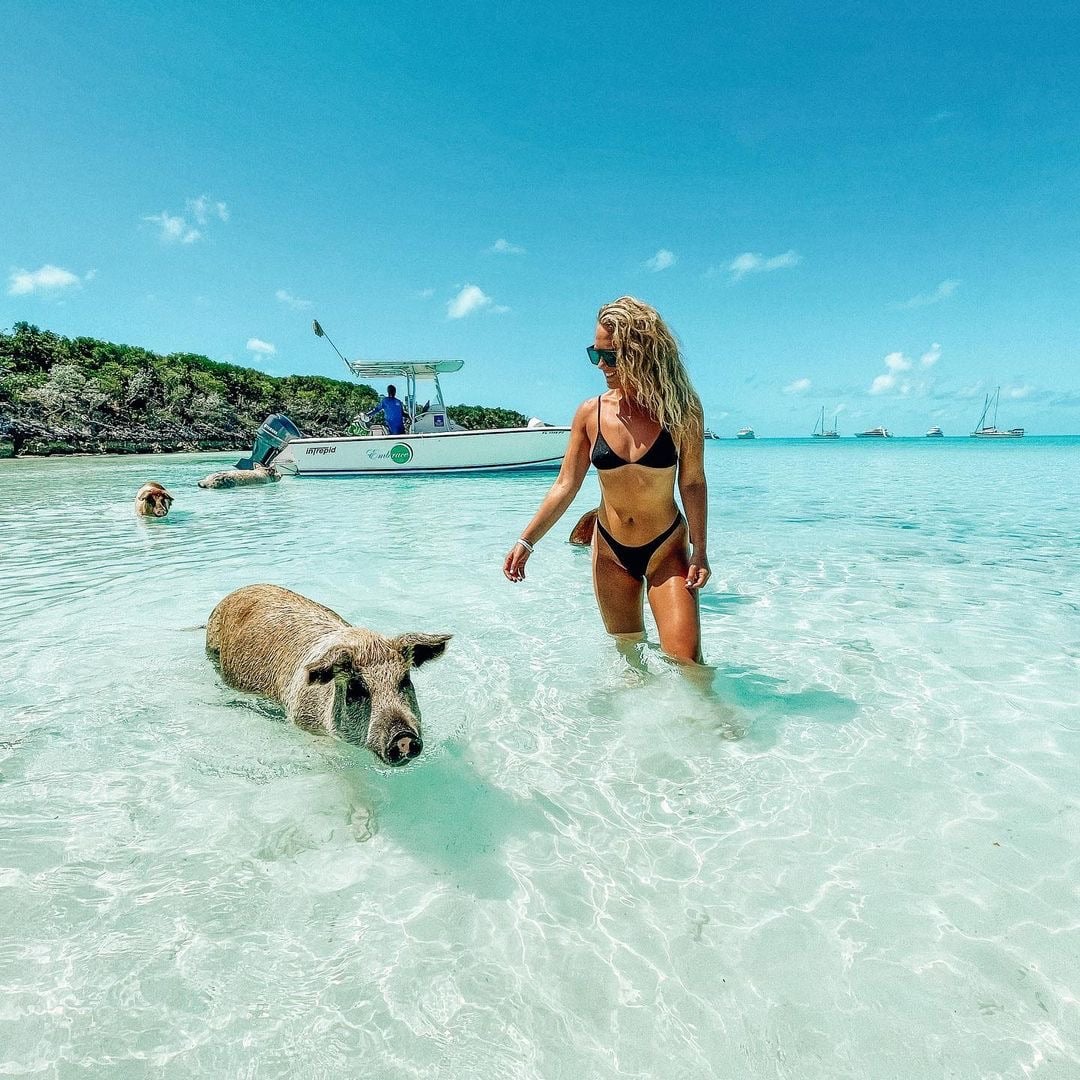
Playa Bávaro | Casual shore snorkeling | From the shore: convenience, mixed visibility, subpar snorkeling; offshore: shorter excursions, some sightings of marine life | Encounters with stingrays and tropical fish | From $50 up |
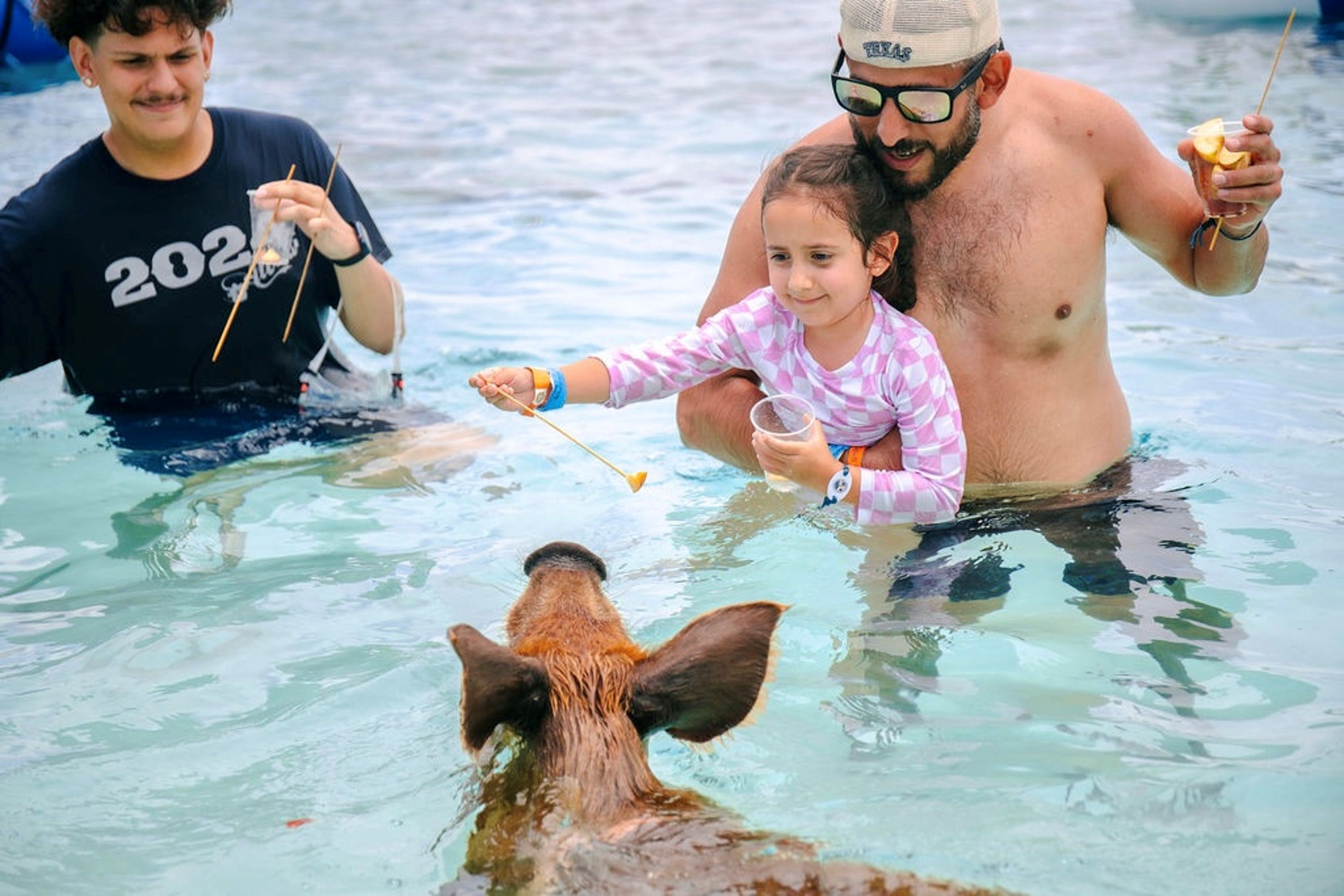
The Marinarium | Families, couples, and groups looking for a combination of snorkeling and relaxation | A glass-bottom catamaran cruise, snorkeling, music, and drinks | Swimming with nurse sharks and stingrays | $115 (adults 12+), $57.50 (children 2–12) |
Is Snorkeling Punta Cana Worth It?
Snorkeling Punta Cana is worth it when you go in with the right expectations and choose the right spot. With that said, there’s a reason why many visitors choose dedicated snorkeling trips rather than relying entirely on the resort beach.
If you’ve visited some of the top snorkeling spots in the world, then Punta Cana is likely to disappoint. Floating above a reef at the foot of a Bávaro resort is a very different experience to snorkeling the Red Sea or the Maldives.
But don’t dump your mask and snorkel just yet. There are some decent spots to snorkel while in Punta Cana, and they fall into two groups: nearby spots like Cabeza de Toro, and islands south of Punta Cana—namely, Saona Island and Isla Catalina.
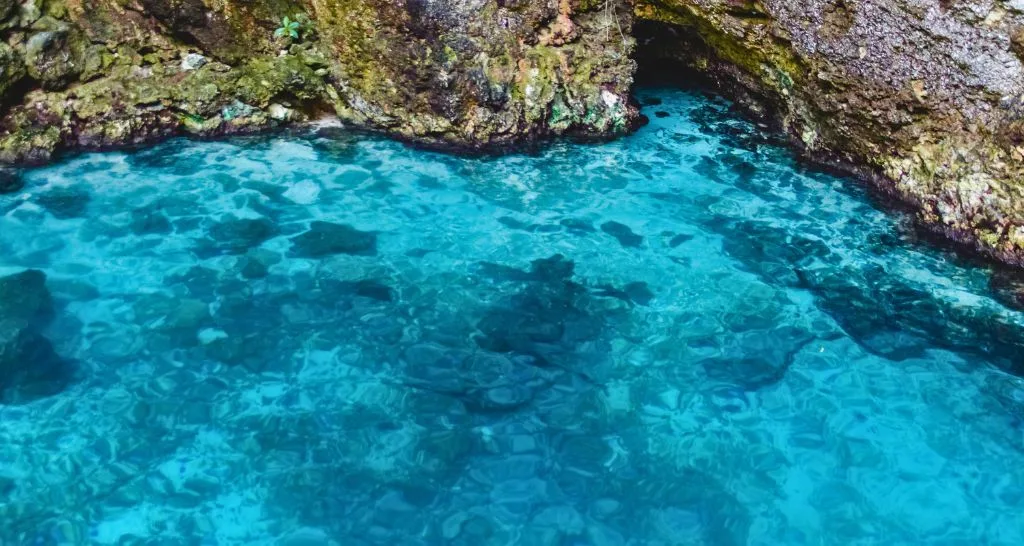
Why Punta Cana Resort-Beach Snorkeling Can Disappoint
Punta Cana is excellent for beach days, lazing at resorts, and easy excursions. As a destination where you can walk from your hotel and wade straight into a perfect reef, it falls short.
Some of that is due to geography. Punta Cana is located where the Caribbean Ocean meets the Atlantic, so the sea can be choppier than it is in other parts of the Dominican Republic. During winter and on windy days, the water can get quite rough, which isn’t ideal for snorkeling.
That’s not the only reason beach snorkeling in Punta Cana can disappoint.
Sargassum: A Seasonal Deterrent
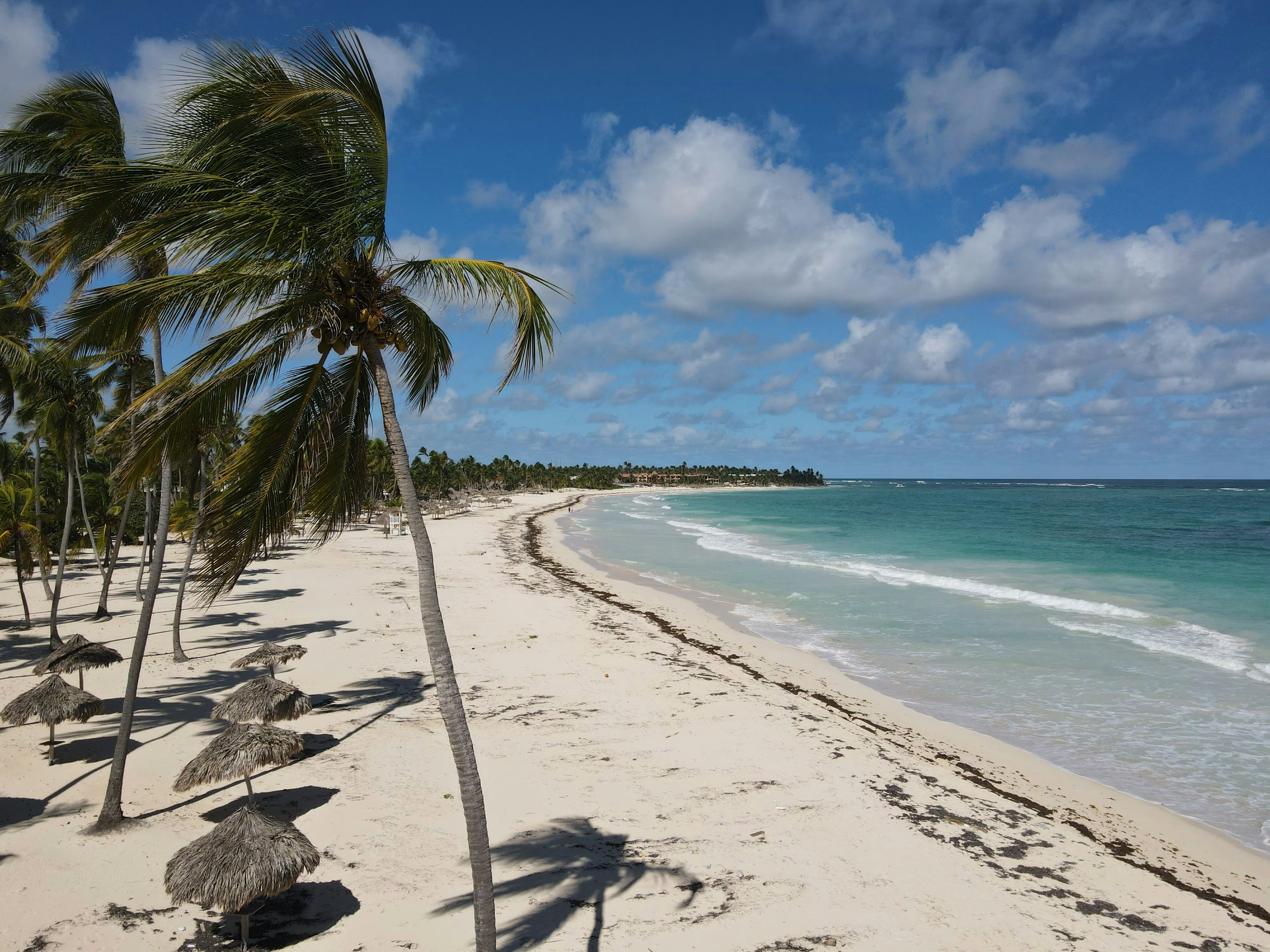
Sargassum is a brown macroalgae that grows in mats. It’s not attached to the ocean floor, so it floats onto shore with Atlantic trade winds and currents from the east. If you’ve ever caught a whiff of rotten egg while on a beach, it could’ve been the hydrogen sulfide that decomposing sargassum releases.
During certain times of the year (May through August), the heavy accumulation of sargassum can affect resort snorkeling in Punta Cana. The piles of macroalgae on the shore can make getting into the water unpleasant, and the water can get murky. Offshore snorkeling isn’t affected, which is why it’s the better alternative.
Some areas are more affected than others. The east-facing beaches, like Playa Bávaro, El Cortecito, and Cabeza de Toro, are hit the worst. While cleanup teams are efficient, there’s no guaranteeing the severity of sargassum from one day to the next. Playa Juanillo in Cap Cana and Playa Macao fare a lot better, but those beaches are further from the main resort stretch.
Boat Traffic and Marine Diversity
The convenience of resort-beach snorkeling comes with some major tradeoffs. Aside from geography and shifting seaweed, heavy tourist traffic also disrupts snorkeling conditions. All those catamarans and speedboats coming and going stir up sand, clouding the water and reducing visibility.
Even when visibility is decent, you’ll likely see limited marine life. Think topical fish and maybe some rays. That’s partly because the coral nearest the resorts have suffered from heavy traffic, so what you’ll see on a morning mission in Bávaro is very different to the underwater jungle you’d see around protected areas like Isla Catalina or Los Haitises National Park near Samaná.
When to Give Beach Snorkeling a Skip
Beach snorkeling is most likely to disappoint when:
the water is windy or choppy
sand has been stirred up near shore
boats and swimmers are active nearby
the reef sits too far offshore to reach safely
Try the beach if conditions look good. Just don’t make it your whole plan if you want the best snorkeling in Punta Cana.
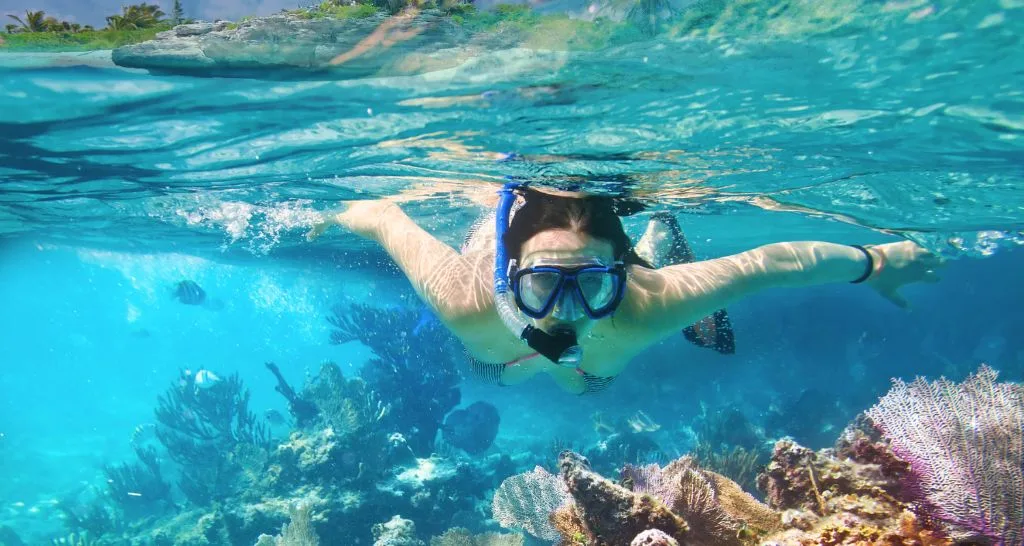
Catalina Island Snorkeling: Best for Reefs and Clear Water
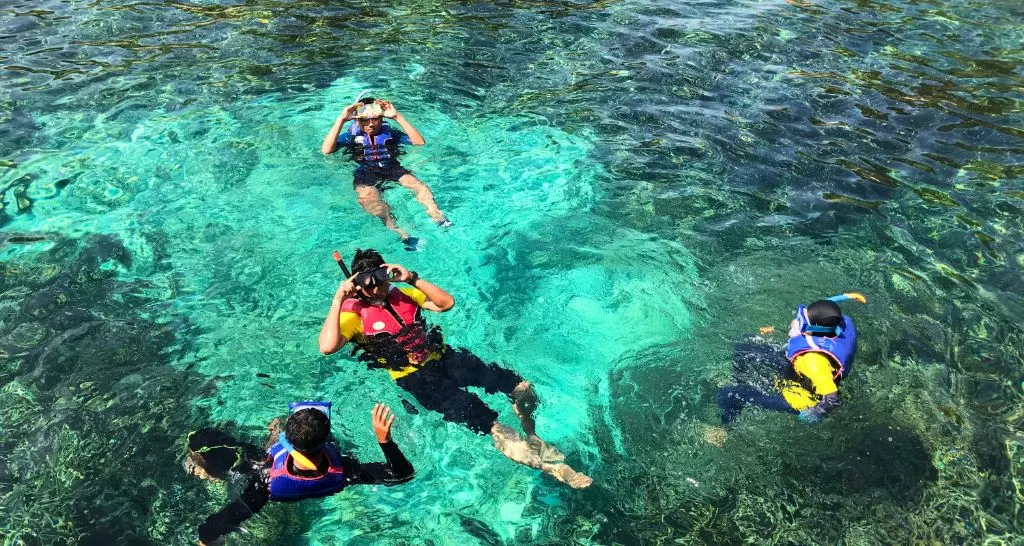
Located off the La Romana coast, Isla Catalina is one of the top spots to go snorkeling in the Dominican Republic, and even the Caribbean. There are two key attractions that draw visitors to the island: The Wall, a sloping reef popular among divers, and the Aquarium, which is shallower and more child-friendly.
Getting there from Punta Cana requires a bit of travel. On a Catalina Island snorkeling tour, your day will start with a bus ride from Punta Cana to La Romana, followed by a catamaran cruise to the island. The trip there usually takes around three hours in total. Multiply that by two, and the day can get a bit long.
With that said, the healthy reef makes it worthwhile. Possible sightings include grunt, snapper, parrotfish, sergeant majors, barracuda, and moray eels swimming among colorful sponges and soft corals.
A typical day includes transportation, a boat crossing, snorkeling stops, beach time, and lunch. While every operator follows a slightly different itinerary, Catalina generally appeals to travelers looking for coral reefs, tropical fish, and more time in the water. If you’re choosing between Dominican Republic day trips, Isla Catalina is the top choice for a snorkeling-focused day.
Saona Island Snorkeling: Best for a Full-Day Island Trip
A Saona Island day trip is about the full package: the drive to Bayahíbe, the boat crossing, Palmilla, the beach, lunch, drinks, music, and water so blue it looks suspicious. That’s what makes it such a reliable crowd-pleaser.
Tourists weighing up Catalina Island vs. Saona Island day trips often factor in snorkeling. The truth is that you can have a perfectly enjoyable time in the water on a Saona Island trip, but the snorkeling is secondary. That doesn’t mean it’s bad. It’s just not as good.
The shallow lagoons and diverse marine life make it a good fit for families, first-time snorkelers, and mixed groups with varying levels of experience.
The downside is the length of the day. Between the bus rides and boat trips, you spend almost six hours in transit, leaving you with maybe three hours on the beach. From a snorkeling perspective, how enjoyable the day is also depends on the operator’s itinerary. If they only go to the shallow natural pool at Palmilla, you may be disappointed. If there are more snorkeling stops included, the day may feel more fulfilling.
Knowing what to expect from a Saona Island excursion can help you decide whether it really is the best use of a day.
Cabeza de Toro Snorkeling: Best for Beginners and Families
Both Catalina and Saona take up a whole day. That’s a big investment if you’re limited on time. Cabeza de Toro, located roughly halfway between Bávaro and Cap Cana, is a good compromise.
The neighborhood itself is a change of pace from the busy resort strip. Expect a quieter atmosphere, a combination of resorts and private residences, and an environment that’s less focused on tourist activity and more about daily life.
Most Cabeza de Toro tours combine a little bit of everything: a snorkel stop, time in the water, a natural pool or sandbar, and enough boat time to feel like you've actually gone somewhere.
Getting to the reef takes about 15–30 minutes, and the snorkeling is better than what you’d experience from a resort beach. While you’re in the water, there’s a good chance of seeing sergeant majors, parrotfish, turtles, rays, and possibly barracuda.
The Marinarium Marine Park Snorkeling: Best for a Combo of Snorkeling and Relaxing
The Marinarium Marine Park is something a little bit different. It’s less of a location and more of an experience.
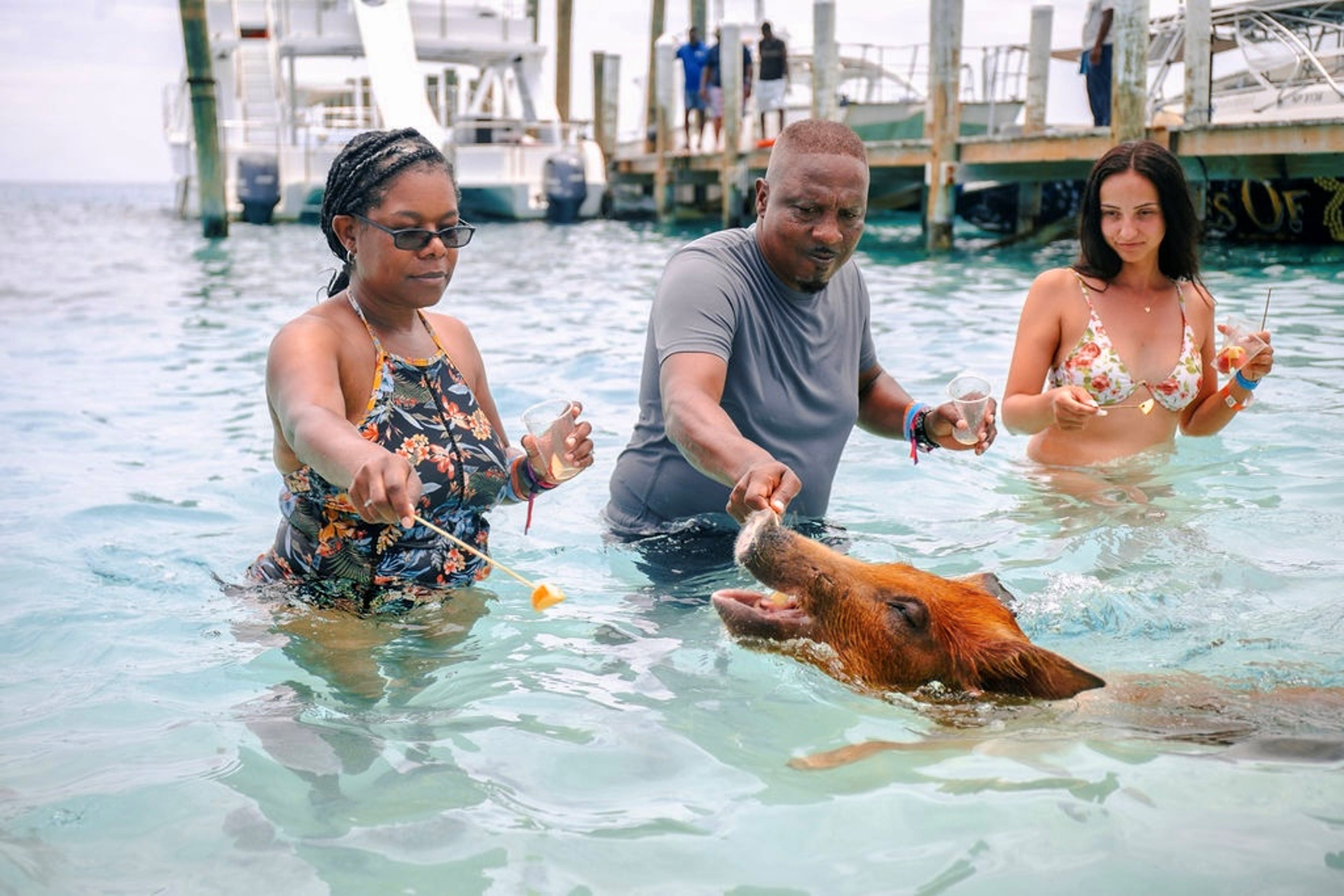
Departing from the Cabeza de Toro dock, you’ll typically go on a catamaran cruise that takes you around an almost 10-acre marine park that features an open-sea enclosure. Inside the net-walled area, you can swim and snorkel with nurse sharks and southern stingrays.
One of the highlights is the glass-bottom boat, which allows you to see into the water while you’re in transit. Similarly to most catamaran cruises in and around Punta Cana, you can expect music and drinks.
It’s worth mentioning that some travelers who’ve tried the excursion voice concerns about the treatment and exploitation of the nurse sharks and rays. Rather than observing them as you would in the wild, they are kept in enclosures for tourist enjoyment.
Overall, the Marinarium covers a little bit of everything: time in the water, a lively cruise, and relaxation. It’s an easy option for beginners and weaker swimmers, but if you’d rather observe marine life in a more natural setting, then rather give this one a skip. There are plenty of great excursions in Punta Cana, and something else may appeal more.
Bávaro Beach Snorkeling: Can You Snorkel From Shore?
Yes, you can snorkel from shore at Bávaro Beach, which is why many first-time visitors try it before booking a tour.
The problem is that results vary a lot. On a calm day with decent visibility, you might spot small tropical fish and enjoy an easy swim. On a windy day, visibility can drop quickly, and you'll spend more time looking at sand than marine life.
That's why Bávaro sits in a slightly different category from the other snorkeling spots in this guide. It's convenient, free if you already have your own gear, and worth trying if conditions look good. It's just not usually the experience people are talking about when they rave about snorkeling in Punta Cana.
If snorkeling is one of the main reasons you're getting in the water, Catalina Island, Saona Island, or Cabeza de Toro will likely offer a more memorable day.
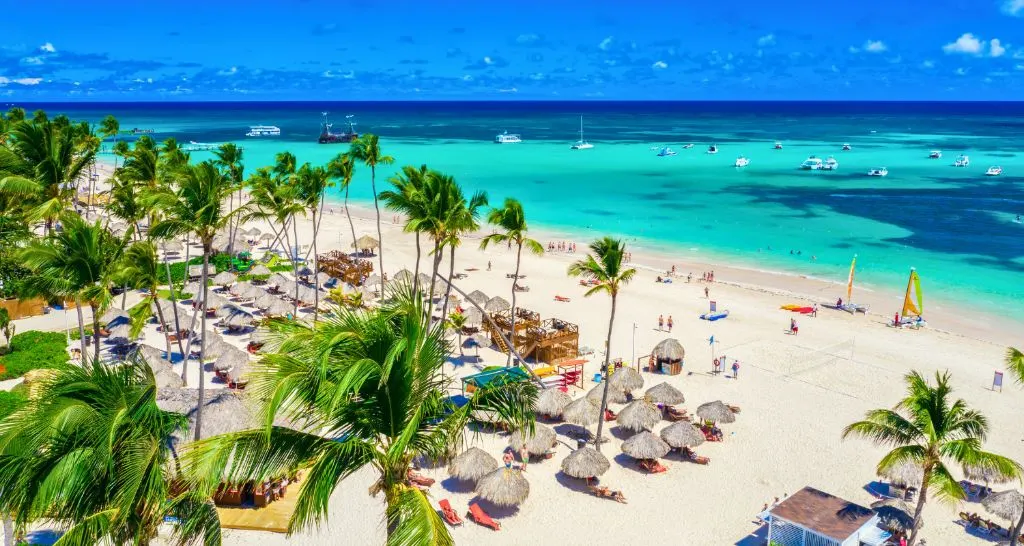
Best Time for Snorkeling in Punta Cana
You can enjoy Punta Cana snorkeling experiences throughout the year, but calmer conditions are more common between December and April. This is peak tourist season, so brace yourself for busy locations.
Sargassum is also less of an issue from December to April. From May to August, it becomes more intense because of a shift in ocean patterns.
Regardless of season, morning departures usually offer better visibility than afternoon trips. With organized tours, you don’t get much of a say in the timing, but tour operators often plan the day with optimal conditions in mind. The downside is that multiple operators pull up at the same spots at the same time, causing some crowding.
What to Bring on Punta Cana Snorkeling Tours
Most Punta Cana snorkeling tours provide basic gear, but bringing a few extras can make the day more comfortable.
Since you’ll be seeing a lot of sand and water action, a lightweight rash guard can be a smart addition. The Dominican Republic is hot, and the sunshine can go from comfortable to harsh very quickly.
Here are some other essentials to pack:
reef-safe or mineral sunscreen
sunglasses and a hat
a towel
dry clothes
a waterproof phone pouch
cash for tips
motion sickness tablets if boats aren't your favorite thing
your own snorkel mask if you prefer a better fit
Which Punta Cana Snorkeling Trip Should You Book?
Start with a question: What do you want from the snorkeling trip? Is it world-class marine biodiversity, or is it an extra activity to make a beach day a bit more colorful? Then consider another question: How much time can you realistically dedicate to the excursion?
Isla Catalina: Book this trip if you want high-quality snorkeling or are traveling with a diver.
Saona Island: If it’s your first time in the Dominican Republic and the quality of snorkeling isn’t make-or-break, book this.
Cabeza de Toro: A local excursion is the better option if you don’t have a full day to sacrifice, would rather spend more time in the water than traveling, and want something beginner-friendly.
The Marinarium: Go for this option if you want a mix of everything—catamaran cruise, drinks and music, and time in the water.
Shore snorkeling: If you’re already at the resort beach, you can get some snorkeling done without paying for a tour. Try it if you’re very new to snorkeling and want to get a feel for the activity; skip it if you’re looking for better quality snorkeling.
Choose the trip that matches your expectations, and snorkeling can easily become one of the highlights of your Punta Cana vacation.